5 Things You Probably Didn't Know About Mold in Your Home

November 11, 2025

Mold is often an underestimated and poorly understood issue in many homes. While many homeowners are aware of the basic risks, there are several aspects of mold that remain largely unknown. Understanding these aspects can help prevent health issues and home damage. With this knowledge, you can effectively reduce the risk of mold and ensure a safer home environment.


1. Mold Growth in Hidden Spaces

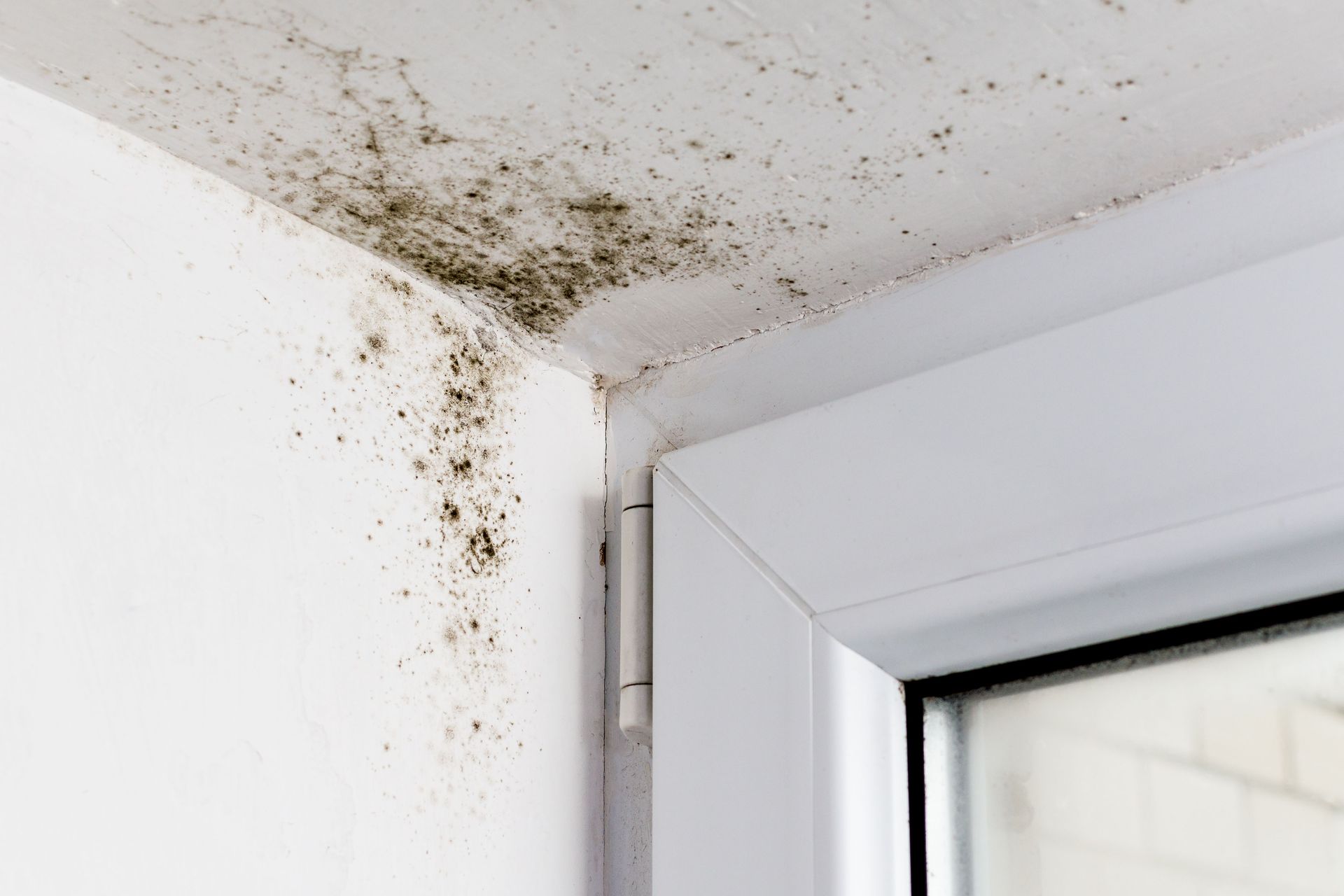
Mold loves to grow in dark, hidden spaces where there is moisture and warmth. Attics are particularly vulnerable due to potential roof leaks that allow water intrusion. Mold often colonizes behind walls where plumbing may perspire or leak. Because these areas are not visible until significant growth occurs, mold can proliferate unchecked. Inspecting these hidden areas can prevent extensive mold growth.


Carpeting provides an ideal place for mold due to its absorbent nature. If moisture seeps beneath a carpet, it can create an undetectable breeding ground for mold. This issue is exacerbated in basements and areas with high humidity. Regularly checking and drying carpets helps minimize this risk. This is crucial considering that at least 45 million buildings in the U.S. have unhealthy levels of mold, according to Mainspring Recovery.


Condensation on cold surfaces or leaks from plumbing can lead to mold behind drywall. This is especially concerning as it can structurally damage the walls and pose health risks. Detecting and fixing plumbing issues promptly prevents mold growth. Using mold-resistant drywall in vulnerable areas is a proactive measure.


Insulation materials can harbor mold if they become wet, usually from leaks or condensation. Mold in insulation may not be visible until a musty odor is detected. This can compromise not only the air quality but also energy efficiency, as it reduces the effectiveness of the insulation. Removing mold-infested insulation is necessary to restore the home's comfort and safety. Regular inspections help identify and correct moisture sources, supporting effective mold removal.


2. Mold Exposure and Health Risks

Mold exposure can significantly affect respiratory health, particularly in sensitive individuals. Inhaling mold spores can lead to asthma attacks, wheezing, and chronic respiratory problems. Prolonged exposure may increase the risk of developing severe conditions such as lung infections. Therefore, identifying and addressing mold issues proactively is crucial. Ignoring the problem can exacerbate health conditions and reduce the affected person's quality of life.


Allergic reactions can occur when mold spores come into contact with the skin or are inhaled. Symptoms include itchy eyes, skin rashes, and nasal congestion, mirroring hay fever. Those with pre-existing allergies or asthma may experience heightened reactions. Awareness and quick remediation of mold outbreaks can mitigate these effects.


Mold exposure may lead to chronic fatigue, impacting daily function and productivity. It is thought to be related to the inflammatory response triggered by continuous mold exposure. Sufferers might not realize that mold is the underlying cause of their fatigue. Proper diagnosis and mold removal often alleviate fatigue symptoms significantly. Understanding mold's potential health impacts heightens awareness of its seriousness.


Mold exposure has been suggested as a factor in mental health issues, including anxiety and cognitive difficulties. The psychological effects, compounded by physical symptoms, can lead to significant mental distress. Addressing the mold problem can relieve these symptoms, improving overall mental well-being.


3. Mold Damage to Household Structures

Mold can cause wood to rot, compromising both its appearance and integrity. Wood rot weakens the structural elements of a home, making safety a concern. Regularly inspecting and treating exposed wood can prevent mold from getting a foothold. Proper sealing and painting provide protection against moisture infiltration. It's essential to address wood rot promptly to avoid costly structural repairs.


Mold can cause paint to peel, bubble, and discolor. Behind this is often trapped moisture or mold that pushes through the paint layers. Choosing mold-resistant paints and ensuring walls are dry before painting can deter such problems. Regular investigations can identify mold presence before it propagates to cause visible damage.


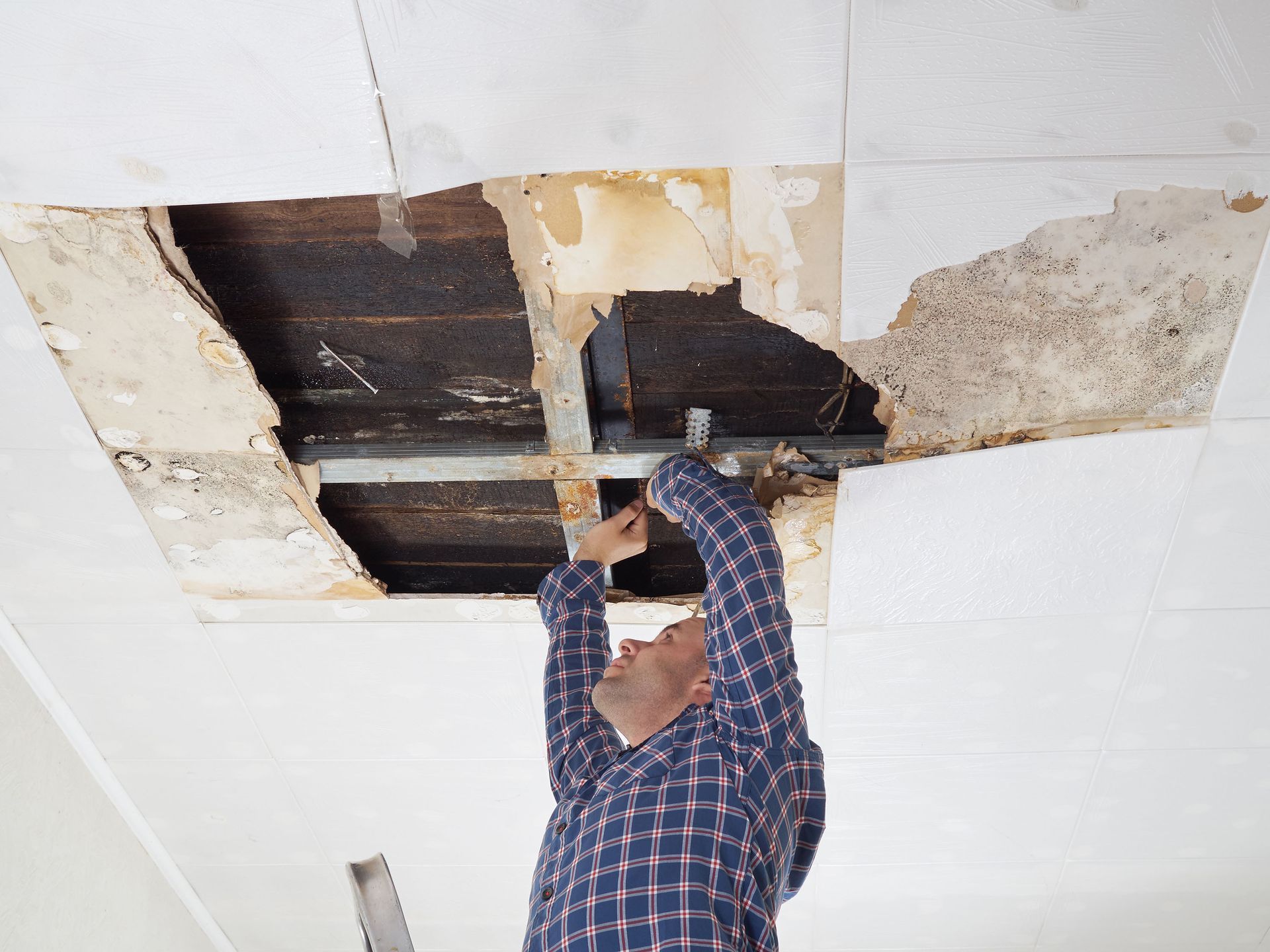
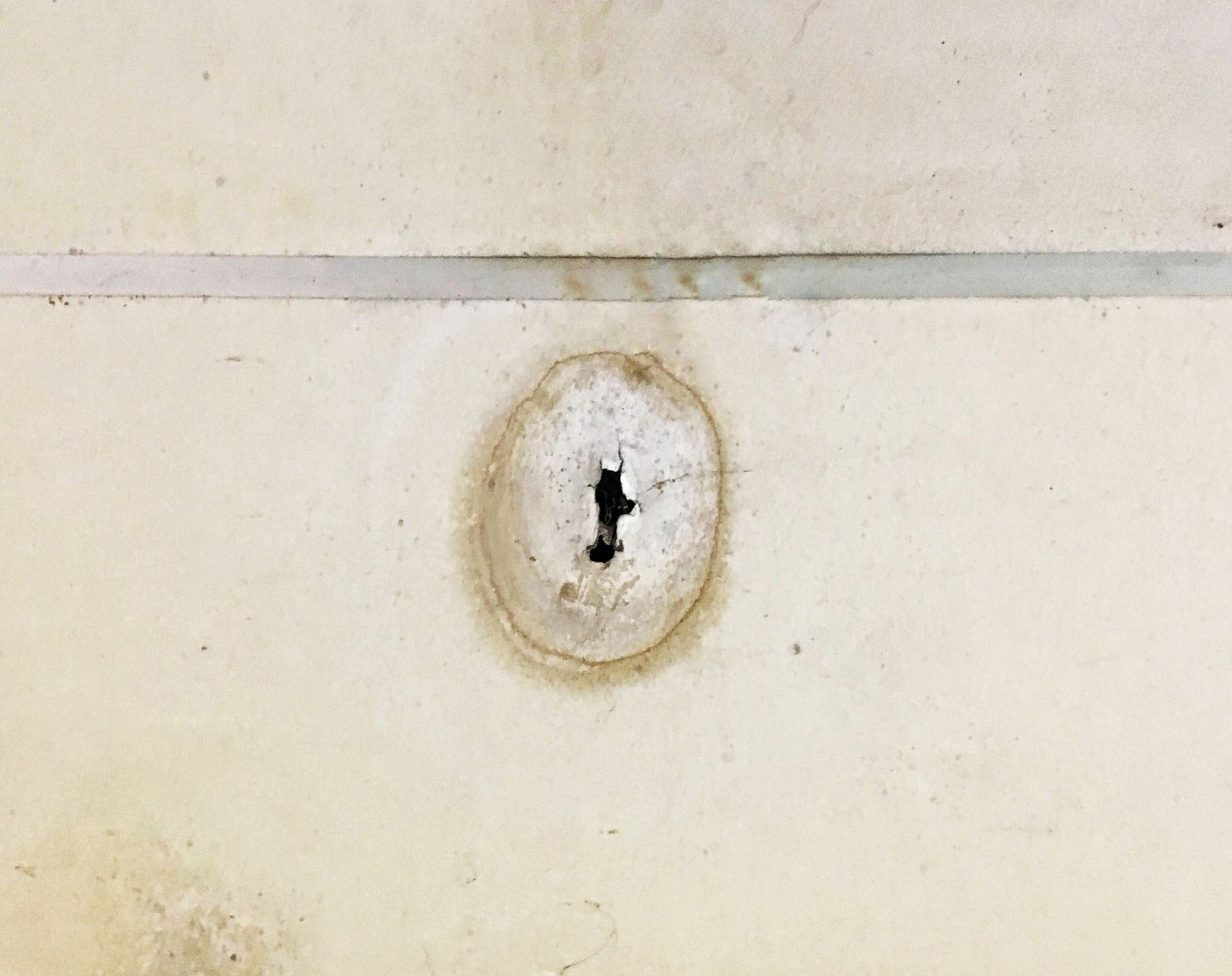
Ceiling stains may arise from mold growing due to leaks or attic issues. Detecting moisture sources and resolving them can prevent mold from spreading and discoloring ceilings. Neglecting these early signs can lead to extensive infestations that weaken ceilings. Utilizing waterproof coatings enhances ceiling protection and longevity. Regular inspections, especially after heavy rains, can spot problems early.


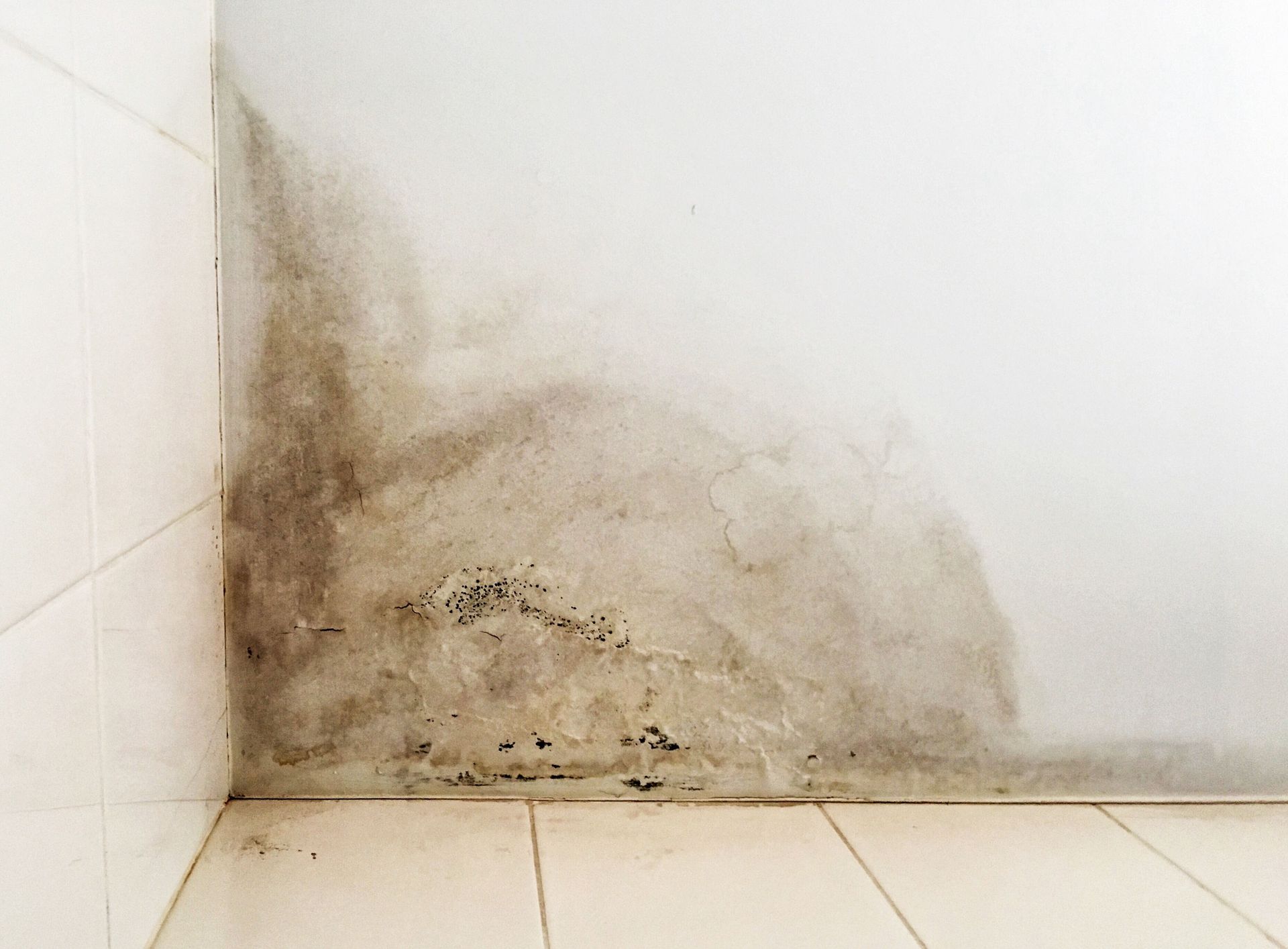
Mold on drywall not only spoils the appearance but also weakens its structure. Signs such as yellowing and cracking often indicate problems beneath the surface. Quick remediation is critical to avoid worsening damage that could lead to replacement. Utilizing moisture-resistant drywall in damp-prone areas helps to prevent such occurrences. Careful attention to wall health maintains a secure and stable home environment.


4. Mold Colors and Identification

Mold colors include black, blue, green, white, and yellow. Each could signify varying species with distinct characteristics, though all require attention to avoid health risks. Understanding that color alone does not determine the risk level enhances informed decision-making. Regular inspection and testing can help identify the exact nature of a mold issue. Taking action against all molds helps ensure a healthy living environment.


Black mold is often believed to be the most dangerous. While its presence is undoubtedly concerning, other molds can also present serious risks. It's essential not to underestimate any mold type but to handle all with equal importance. Public education dispels myths and encourages informed responses to mold growth.


White mold can appear inconspicuous but presents significant issues nonetheless. Typically found on wood surfaces, it flourishes in high-humidity conditions. Its fuzzy appearance might be mistaken for efflorescence, a harmless salt deposit. Accurate identification is critical for appropriate interventions and lasting solutions. Eliminating high humidity prevents white mold from establishing itself in a home.


Several mold species may appear green, thriving on various organic materials. Unlike other colors, its growth may be visible on food and infiltrate upholstery and wet walls. Its apparent vibrancy should not undermine its potential risk to health. Professional identification ensures prompt and effective mold removal strategies. Recognizing these colors and understanding potential implications fosters effective mold control.


Yellow mold, less common but equally damaging, often surprises homeowners. It may thrive in food items or damp organic materials throughout the home. Its presence requires diligent attention to moisture and cleanliness in storage areas. Misidentification often results in inadequate handling, allowing it to spread unnoticed. Vigilance and immediate action reduce risks and prevent yellow mold from impacting health and property.


5. Mold Prevention and Removal Strategies

Managing moisture is a fundamental strategy in preventing mold growth. Using dehumidifiers keeps indoor humidity levels in check, making spaces less hospitable to mold. Fixing leaks and ensuring proper water drainage prevents water intrusion into homes. Mold-resistant materials in construction can safeguard against future growth.


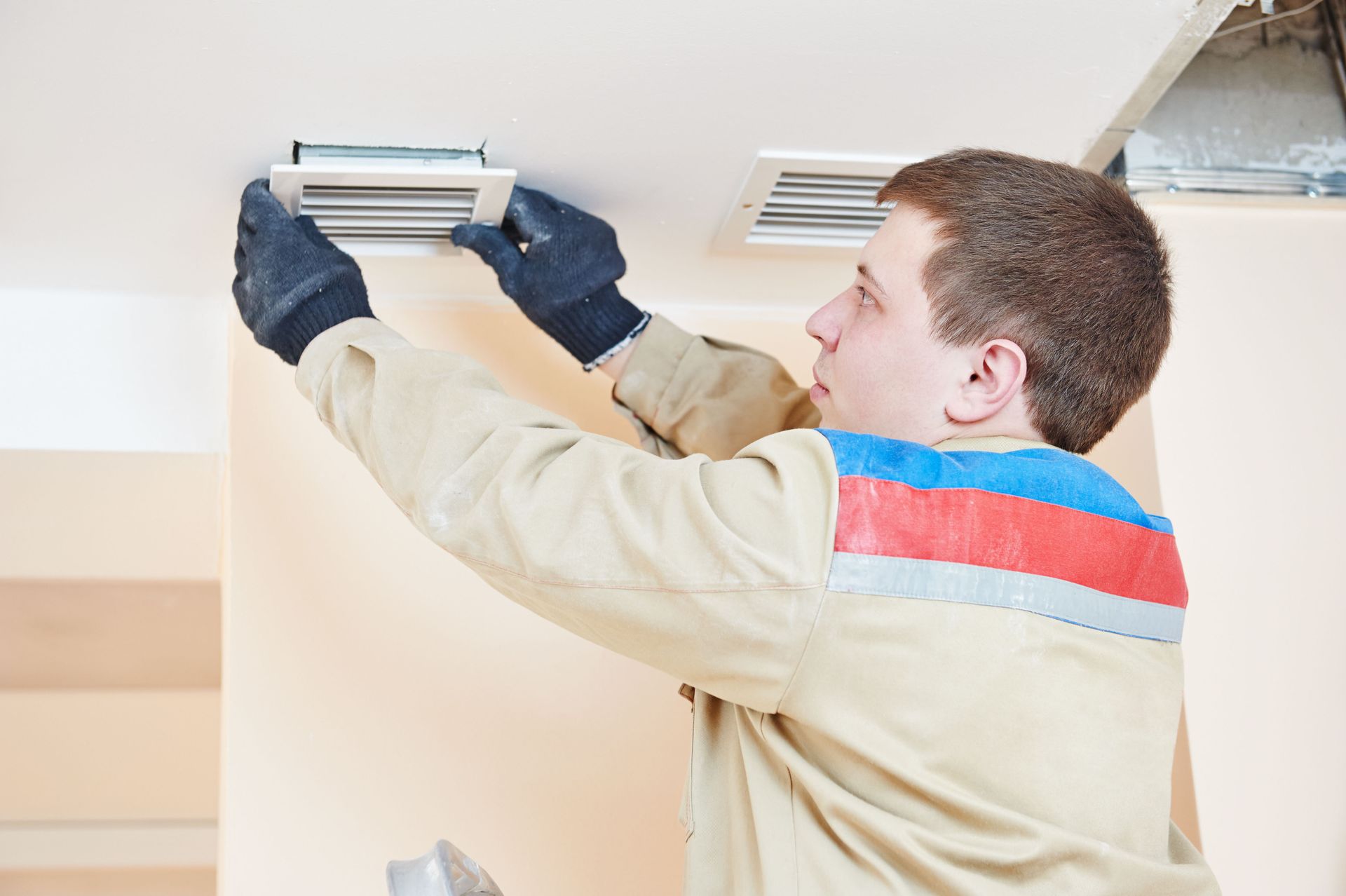
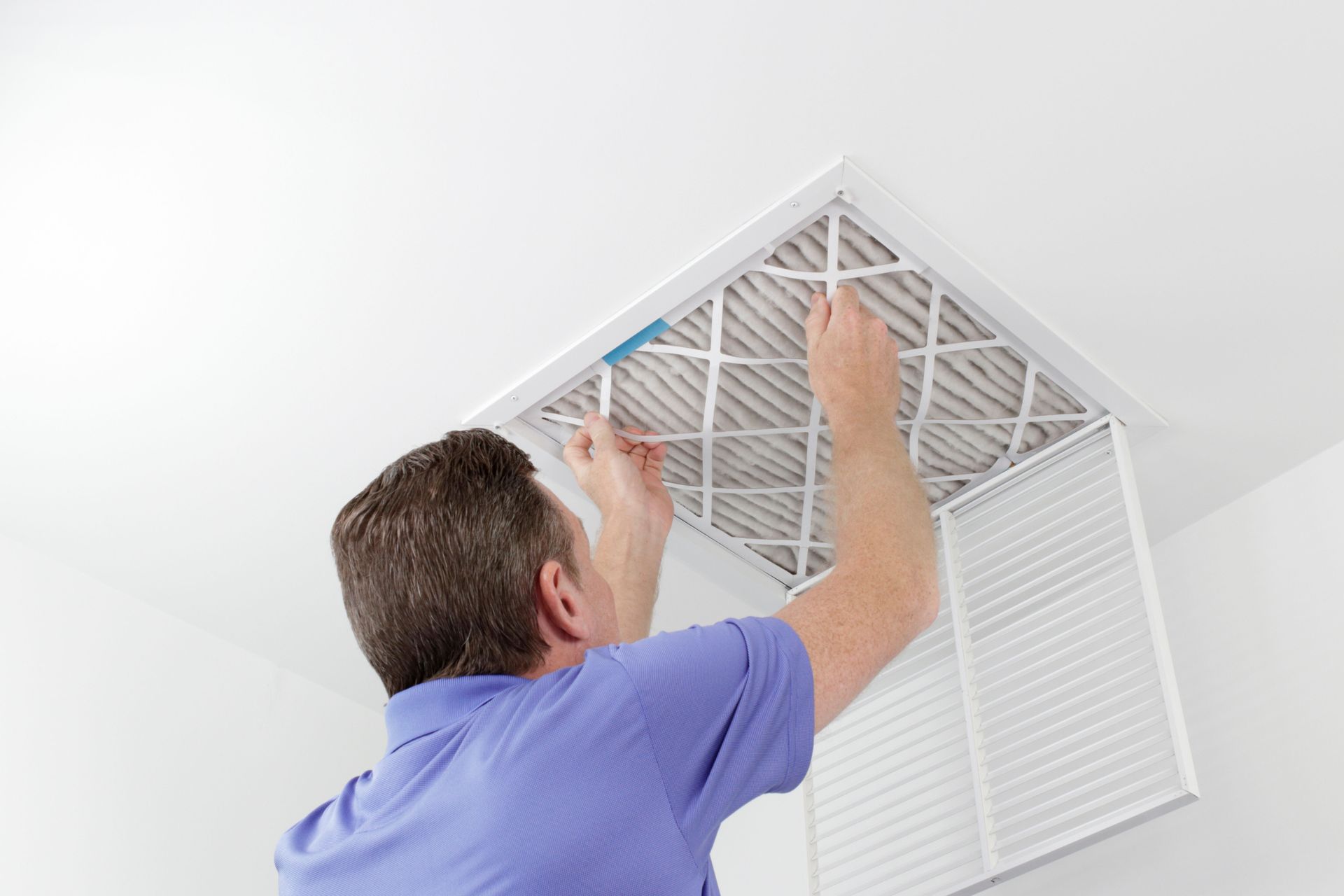
Proper ventilation is key to reducing humidity and discouraging mold formation. Opening windows regularly and using exhaust fans in areas like kitchens and bathrooms helps circulate air. Ensuring HVAC systems are well-maintained supports consistent airflow throughout the house. Attic vents and crawl space ventilation systems can also assist in keeping spaces dry.


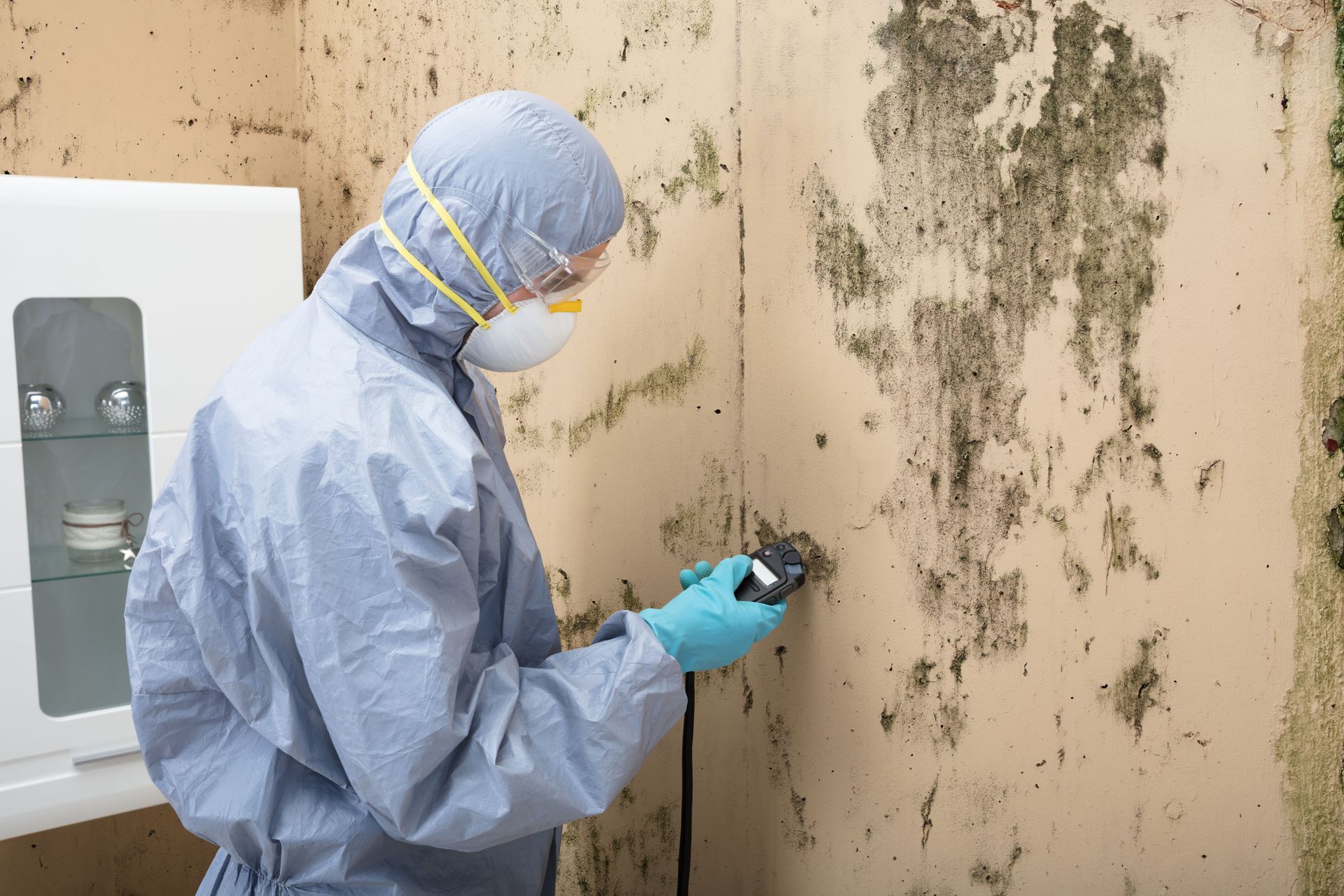
For extensive mold issues, professional mold removal services are advised. Experts can accurately identify mold types and determine the appropriate removal strategies. Professionals often use advanced techniques and tools to ensure effective removal. They also provide recommendations to prevent future mold growth, securing long-term protection. Investing in professional help ensures a safe and thorough eradication of mold problems.


Understanding the hidden threats of mold and its potential impact on your home and health is crucial. As we've seen, with the correct knowledge and proactive measures, mold can be controlled before it becomes a serious issue. Maintaining a vigilant approach ensures a safe and healthy home environment for all residents. Rely on The Best Air Quality and Restoration for expert mold removal and improved indoor safety.
February 3, 2026
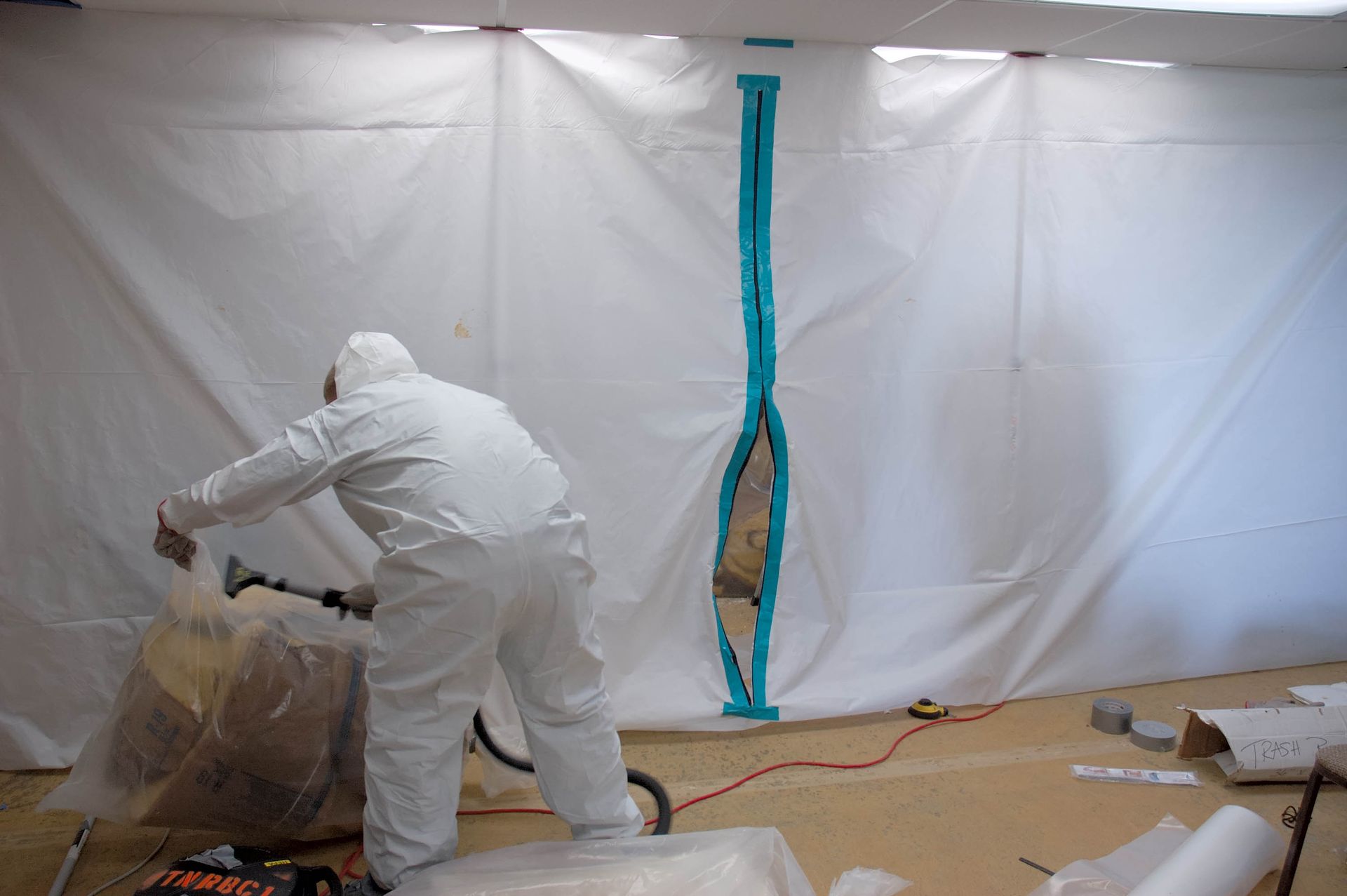
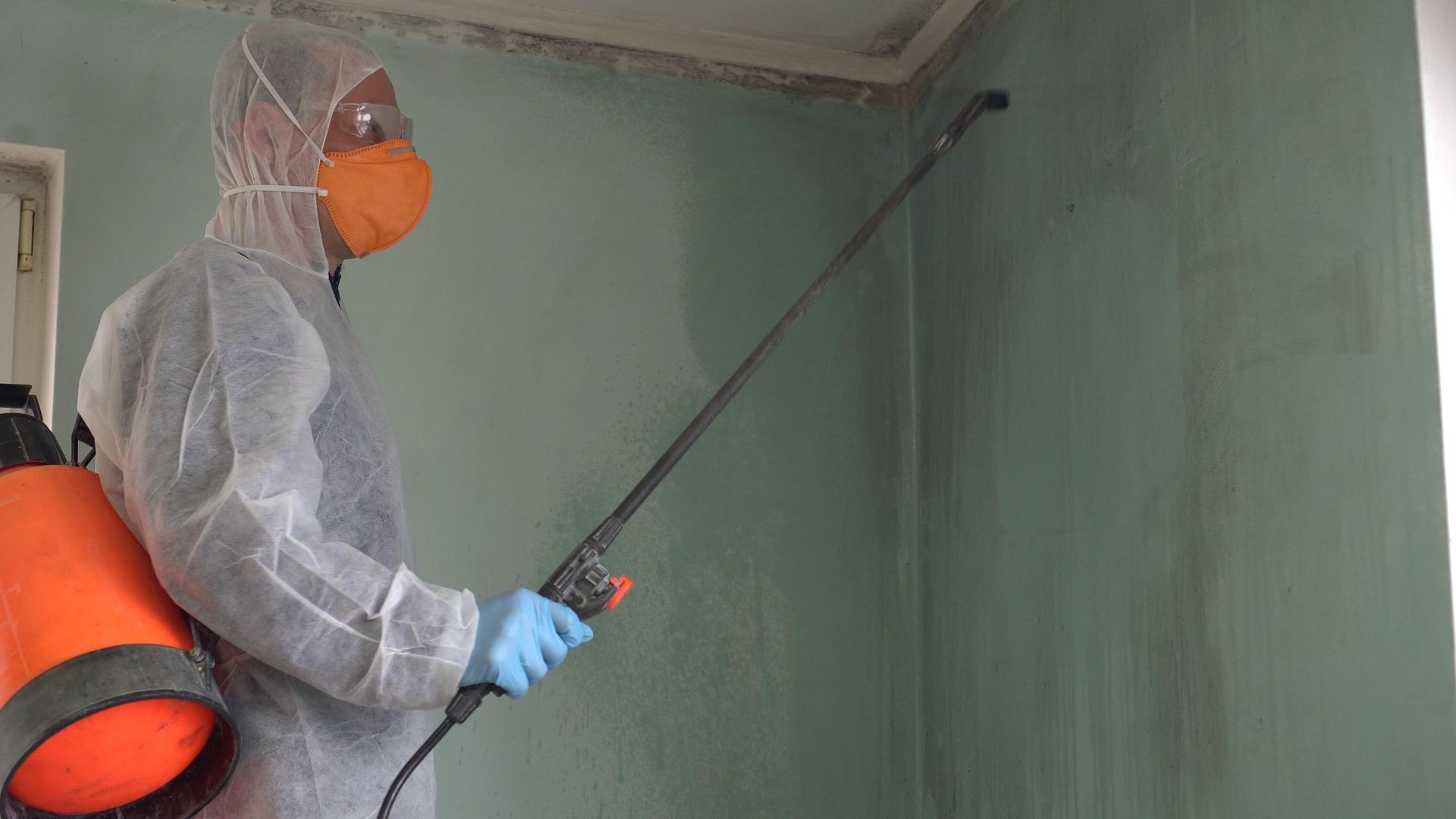
Maintaining a healthy home environment goes far beyond simple cleaning routines. One of the most overlooked threats to indoor air quality is mold. Mold not only damages the structural integrity of your home but can also pose serious health risks to your family. According to Mainspring Recovery, over 45 million structures across the U.S. contain mold levels that are considered unsafe. This staggering number highlights the importance of proactive mold removal to protect both your property and your health. Mold thrives in damp, humid, or poorly ventilated areas. Left untreated, it can spread rapidly, causing unpleasant odors, discoloration, and, in some cases, allergic reactions or respiratory issues. Early detection, consistent monitoring, and immediate action are key steps that homeowners should implement to prevent mold from becoming a serious, long-term problem. Understanding safe and effective mold removal techniques is essential for any homeowner. Recognizing the Signs of Mold Growth The first step in effective mold removal is identification. Mold can be found in places you might not expect, including basements, attics, bathrooms, and even behind walls or under flooring. Common signs of mold growth include musty odors, visible discoloration on walls or ceilings, and the presence of water damage or condensation. It's crucial to understand that not all mold is immediately visible. Some species, such as black mold, can grow in hidden areas and release spores that affect indoor air quality. Homeowners should pay close attention to persistent damp spots, peeling paint, or warped surfaces. Early recognition allows for timely mold removal, preventing extensive damage and long-term health concerns. Understanding the Health Risks Mold exposure can have serious health implications, particularly for children, the elderly, or individuals with preexisting respiratory conditions. Common symptoms include coughing, sneezing, nasal congestion, skin irritation, and eye discomfort. In severe cases, prolonged exposure can lead to chronic respiratory issues, infections, or exacerbation of asthma. By addressing mold issues promptly, homeowners can protect their families from these potential health risks. Professional mold removal ensures that the contaminated areas are treated thoroughly and that spores are contained during the process, reducing the likelihood of recurring problems. Understanding the health impact reinforces why mold removal isn't just a cosmetic concern but a critical aspect of maintaining a safe living environment. Assessing the Extent of Damage Before beginning mold removal, it's essential to evaluate the severity of the infestation. Small patches may be handled by experienced homeowners using appropriate safety precautions and cleaning products. However, extensive mold growth often requires professional intervention to prevent spores from spreading and causing further contamination. Professionals typically conduct a detailed inspection to identify hidden moisture sources, assess the type of mold present, and determine the areas affected. This assessment allows for a tailored mold removal plan that addresses the root cause rather than simply treating surface symptoms. By investing time in a thorough evaluation, homeowners can ensure their mold removal efforts are both safe and effective. Implementing Safe Techniques Mold removal involves more than scrubbing surfaces. It requires proper containment, protective equipment, and cleaning agents that eliminate mold without releasing spores into the air. Professionals follow industry standards to contain affected areas, preventing cross-contamination and minimizing exposure to household members. Attention to detail and thorough inspection are essential to ensure long-term safety and prevent mold from spreading further. For small, localized mold problems, cleaning with specialized antifungal solutions and thoroughly drying the area may be sufficient. However, for larger infestations, professionals may need to remove drywall, insulation, or carpeting. Proper mold removal ensures that spores are completely eradicated and that the conditions that allowed mold to grow are corrected, such as humidity control or leak repair. Preventing Recurrence Mold removal is only part of the solution; preventing future growth is equally important. Mold thrives in damp environments, so controlling moisture levels is critical. Homeowners should regularly check for leaks, improve ventilation in bathrooms and kitchens, and use dehumidifiers in areas prone to humidity. Using moisture-resistant materials and promptly addressing water damage further strengthens prevention efforts and reduces long-term risks. Routine maintenance, including cleaning gutters, ensuring proper drainage around the foundation, and inspecting roofing or plumbing systems, helps reduce the likelihood of mold returning. A comprehensive prevention strategy not only protects the structural integrity of your home but also maintains a healthier indoor environment for your family. Choosing Professional Services While some minor mold issues can be managed independently, large infestations or persistent mold problems require professional mold removal. Experienced technicians bring specialized equipment and knowledge to identify, contain, and eliminate mold safely and efficiently. A local restoration company like The Best Air Quality and Restoration can assess your property, develop a tailored mold removal plan, and ensure that affected areas are treated thoroughly. Their expertise guarantees that mold spores are removed, contaminated materials are safely disposed of, and preventive measures are implemented to avoid future issues. Professional services provide peace of mind and a long-term solution to a potentially serious problem. Enhancing Indoor Air Quality Mold removal isn't complete without addressing indoor air quality. Even after mold is physically removed, spores can linger in the air. Air purification systems, HEPA filters, and regular cleaning can significantly improve air quality, reducing the risk of future mold growth and protecting the respiratory health of your family. Additionally, monitoring humidity levels and ensuring proper ventilation are crucial steps in maintaining a mold-free home. By combining effective mold removal with ongoing indoor air quality management, homeowners create a safe and comfortable living environment that promotes overall wellness. Understanding the Financial Benefits Investing in professional mold removal may seem costly upfront, but it prevents more significant expenses in the long run. Mold can compromise structural materials, lead to extensive water damage, and reduce property value. Homeowners who address mold promptly protect their investment and avoid costly repairs in the future. Moreover, properties with documented mold remediation often have higher resale value and appeal to buyers concerned about indoor air quality. By treating mold issues proactively, homeowners secure both their health and financial stability. Integrating Routine Home Maintenance Mold removal should be considered a standard component of home maintenance. Regular inspections, timely repairs, and professional cleanings help maintain a safe and healthy living environment. By integrating mold prevention and removal into routine practices, homeowners can avoid emergencies, protect their families, and extend the lifespan of their property. Routine maintenance may include inspecting areas prone to moisture, using moisture barriers in basements or crawlspaces, and monitoring air quality with professional tools. Consistency in these practices ensures that mold doesn't gain a foothold and that indoor spaces remain safe for daily living. Mold is a pervasive issue in homes across the United States, affecting millions of buildings and countless families. Recognizing its presence, understanding the health risks, and implementing safe mold removal techniques are essential steps in protecting both your home and your loved ones. Professional mold removal services not only eradicate existing mold but also help prevent recurrence and improve indoor air quality. By partnering with experts, homeowners gain peace of mind knowing their property is safe, structurally sound, properly maintained, fully protected against future moisture problems, and conducive to a healthy lifestyle. If you're dealing with mold in your home or want to proactively protect your property, contact The Best Air Quality & Restoration for professional mold removal services today and ensure a healthier environment for you and your family.
mold remediation
January 13, 2026
Effective mold remediation removes harmful mold, addresses moisture sources, and ensures long-term protection for a safer, healthier home.
local air duct cleaning
December 11, 2025
Improve indoor air quality with local air duct cleaning that removes dust, allergens, and odors for a fresher, healthier, more comfortable home every day.!
duct cleaning
December 2, 2025
Enhance indoor air quality with expert duct cleaning. Discover how removing dust and allergens creates a cleaner, healthier environment for your home.
local air duct cleaning
November 12, 2025
This guide covers five essential qualities you should look for when hiring a local air duct cleaning company. Read more now.
duct cleaning companies
October 13, 2025
Reputable duct cleaning companies can assist homeowners in achieving healthier air and more efficient HVAC performance. Discover more in this article.
mold remediation company
September 26, 2025
Discover the top six causes of household mold and how a reputable mold remediation company can help prevent damage and protect your home.
mold removal
August 7, 2025
This guide will walk you through the steps necessary to efficiently tackle mold problems with the help of expert mold removal services.
mold remediation company
June 17, 2025
One of the silent yet pernicious threats in countless homes is mold. Here we'll explore how a mold remediation company can protect your family.
mold remediation services
May 8, 2025
Do you have questions about mold remediation services? Read this blog to learn more about questions to ask mold remediation services.