
Answering the Most Common FAQs About Mold Remediation
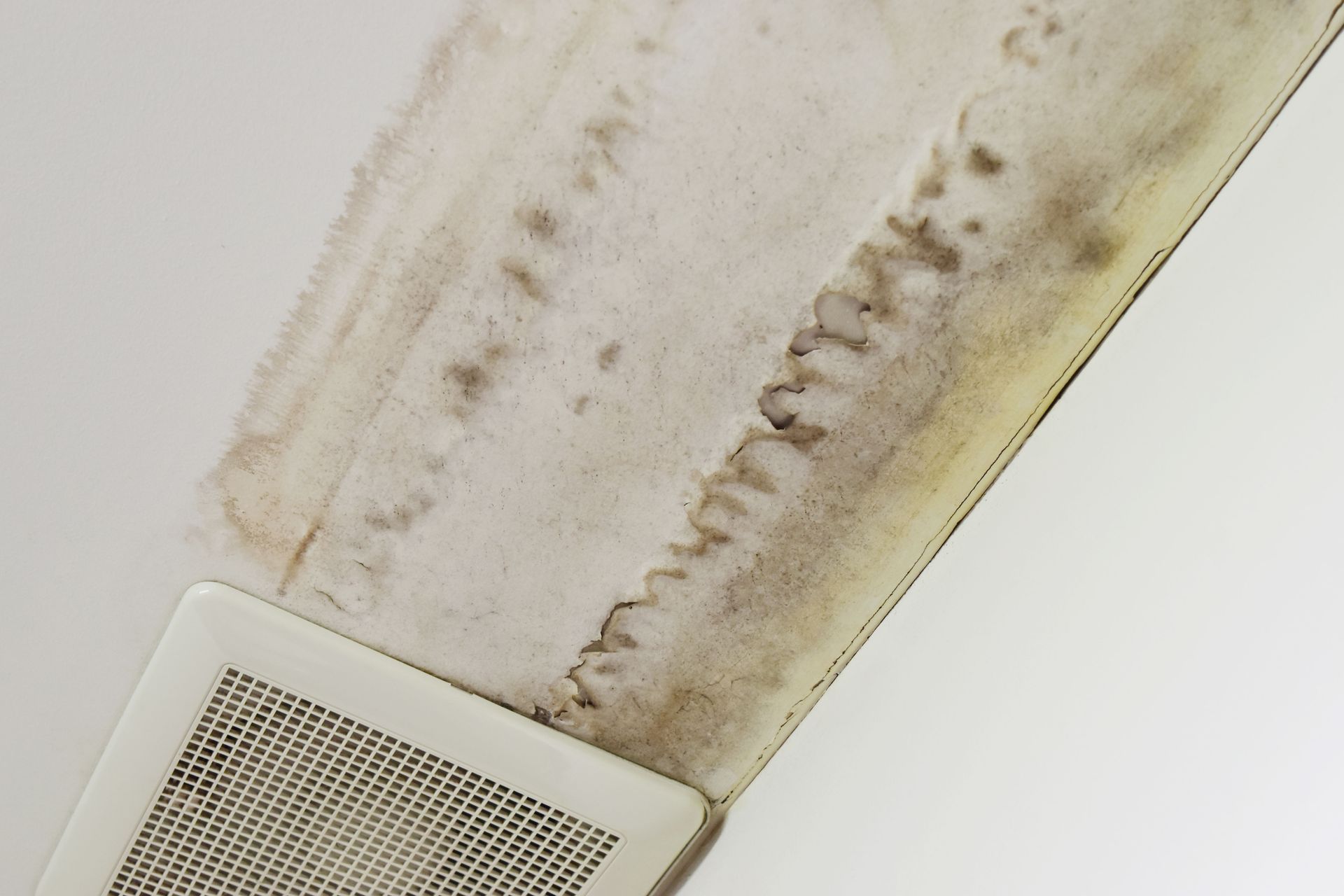
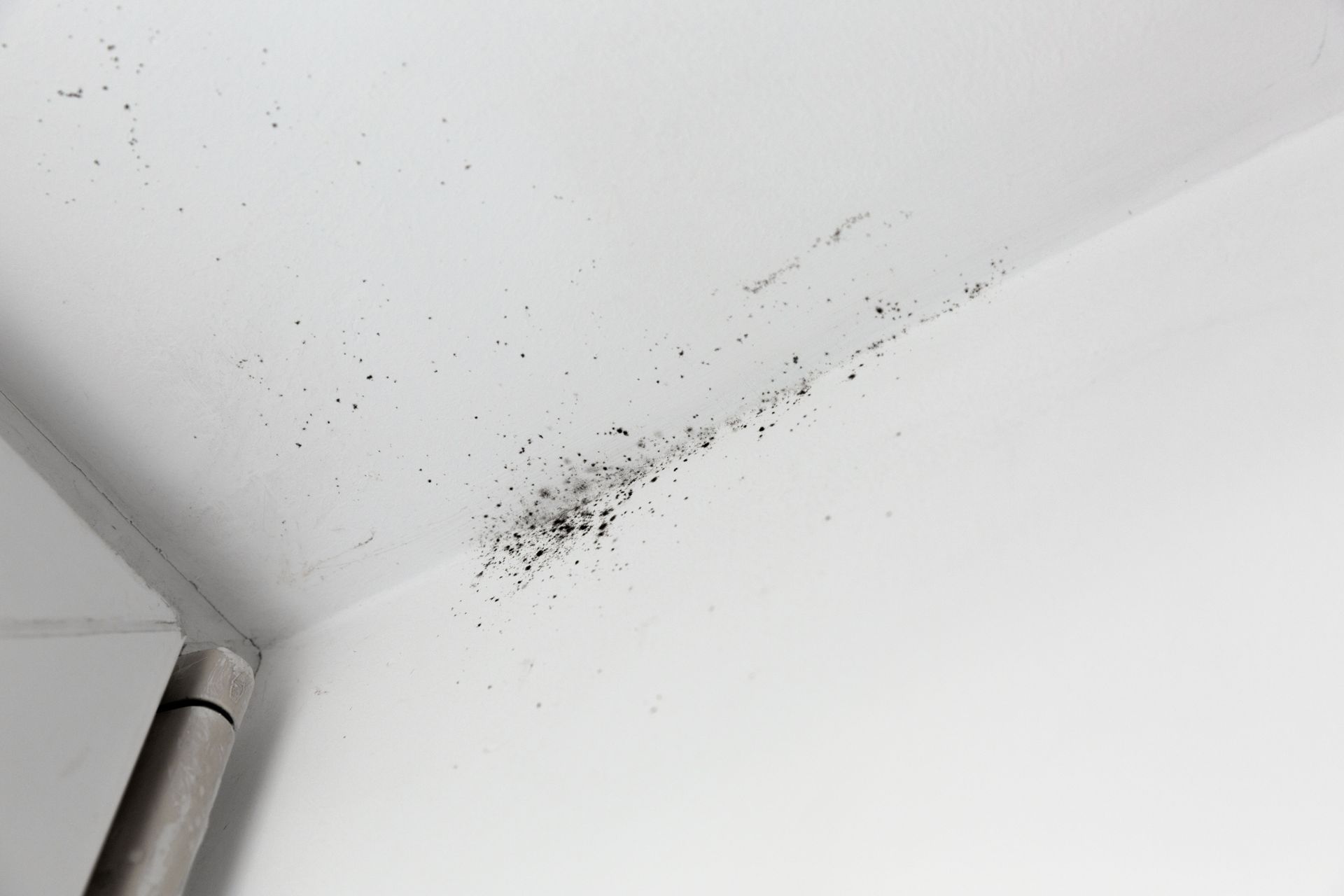
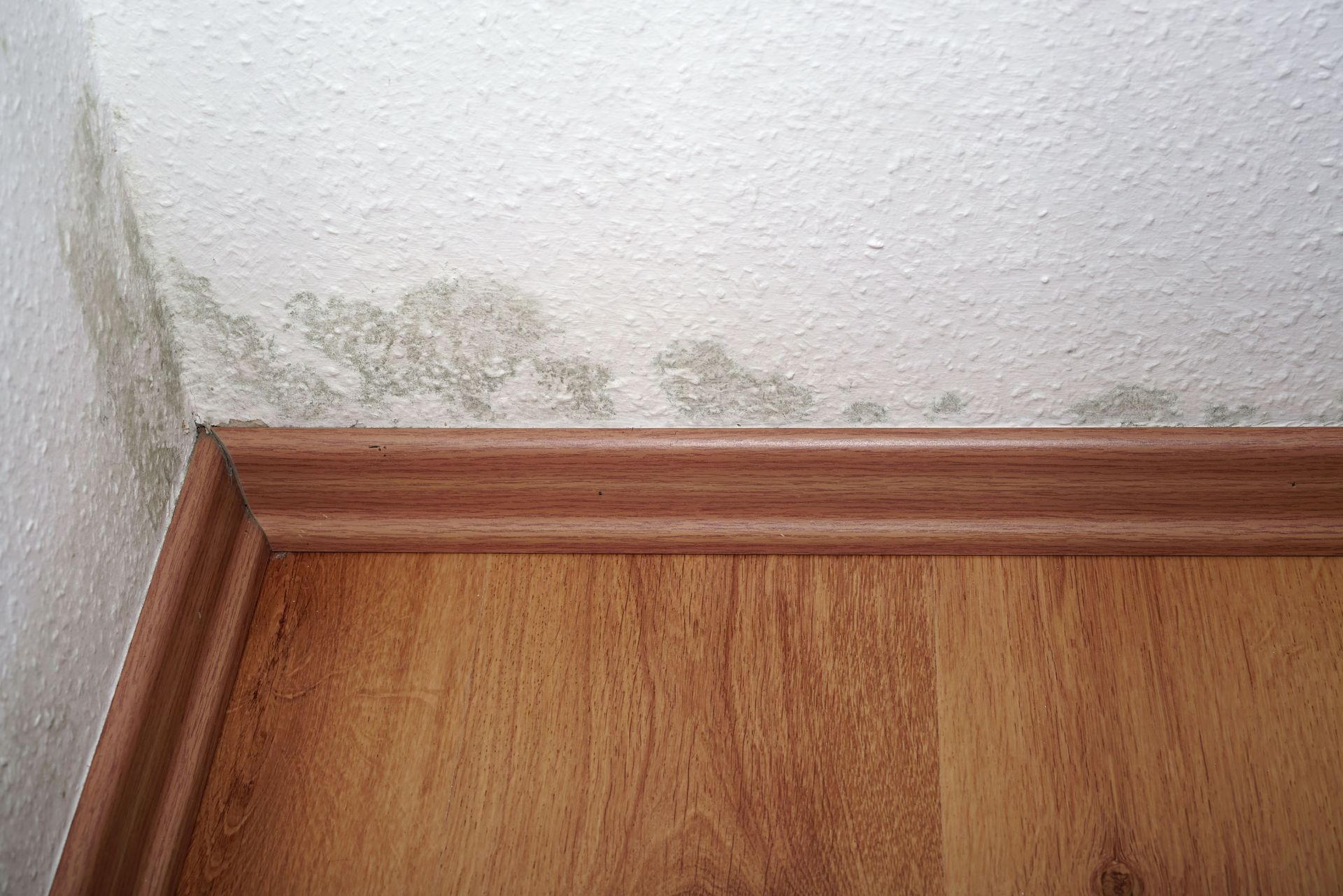
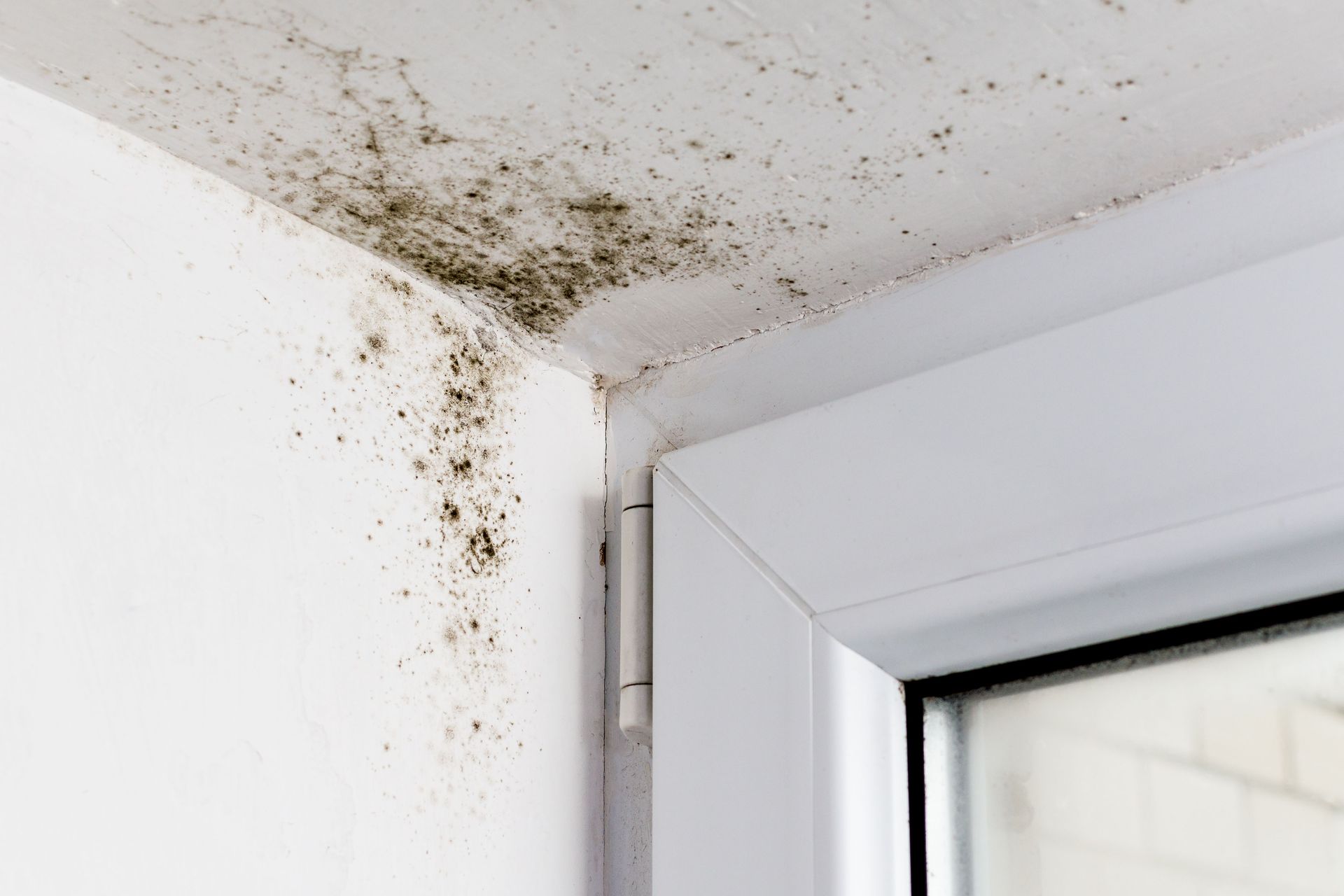
Mold is one of the most persistent issues homeowners and property managers face. It thrives in damp, dark, or poorly ventilated environments, growing quietly until it becomes a visible — or worse, structural — problem. While mold is a natural part of the environment, it becomes hazardous when it infiltrates indoor spaces, spreading spores into the air and compromising the health and safety of the building's occupants. Unlike surface-level dirt or staining, mold is a sign of a deeper moisture problem.
This is where mold remediation comes into play. Remediation is a comprehensive process that removes active mold, prevents it from spreading, and addresses the underlying conditions that allowed it to grow in the first place. Because so many property owners have questions about what remediation involves and what to expect, this guide answers the most frequently asked questions professionals hear every day.
Understanding What Mold Remediation Involves
When mold becomes noticeable, many people assume they can clean it with bleach or household disinfectants. But mold remediation is far more detailed than surface cleaning. The process begins with a detailed inspection of the property, often using tools such as thermal cameras, hygrometers, borescopes, and moisture meters to map out both mold growth and the moisture sources feeding it.
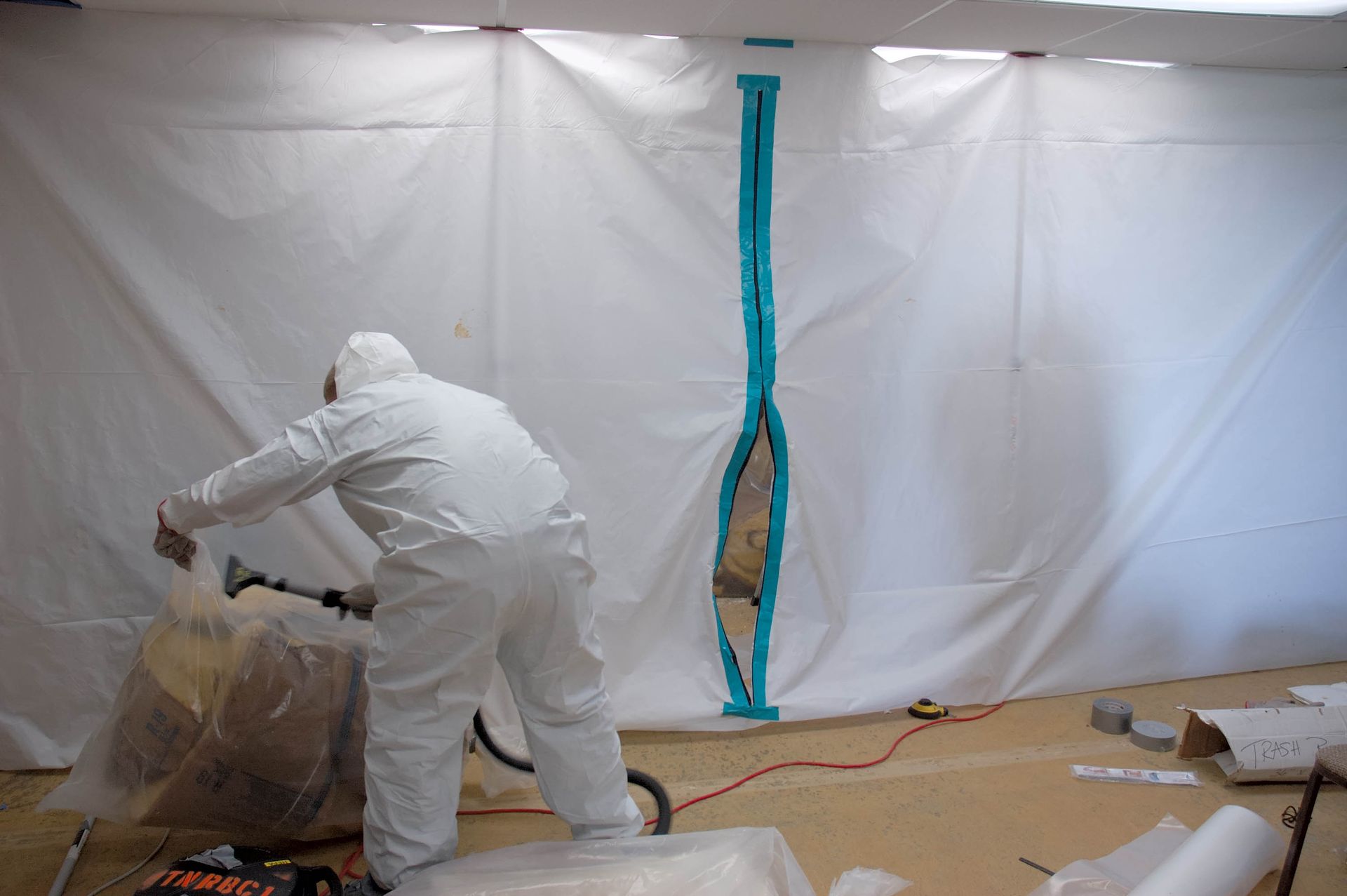
Once the technician identifies the affected zones, the next step is containment. This involves sealing off work areas with plastic barriers, setting up negative air pressure systems, and using HEPA filtration to prevent spores from traveling to other rooms during removal. Containment is crucial because mold spores spread easily once disturbed.
The removal stage varies based on severity. Light contamination might require HEPA vacuuming and antimicrobial cleaning, while heavier contamination may require removing drywall, insulation, carpeting, or other porous materials. Professionals then dry the affected areas thoroughly, as lingering moisture is the most common cause of regrowth.
Finally, the process concludes with verification — either through air sampling or a detailed visual assessment — to ensure that conditions are safe, dry, and free of active mold. This multi-step approach ensures remediation solves the problem long-term, not temporarily masks it.
Exploring the Most Common Sources of Mold Growth
Mold is always linked to moisture, but that moisture can come from many sources. Leaks from plumbing lines, roofs, windows, basements, and appliances are among the most common causes. Poor ventilation in bathrooms, laundry rooms, and kitchens can also create consistently humid conditions ideal for mold growth. In our line of work, we have seen that flooding from storms or backups introduces large amounts of water quickly, and without immediate drying, mold can begin forming in as little as 24–48 hours.
While mold can grow on many materials, some surfaces are more vulnerable. According to Grand View Research, drywall is especially susceptible to mold growth, making up over one-third of all service calls for mold removal nationally. This helps explain why materials like drywall, insulation, and carpeting often need to be replaced during mold remediation, as they cannot always be cleaned thoroughly enough to stop fungal growth.
Humidity is another major factor. In our experience, indoor relative humidity above 60% creates ideal mold conditions. Homes in humid climates, or those without proper HVAC circulation, often experience mold even without leaks. And once mold establishes itself in one concealed area — like behind a wall or under flooring — it can spread gradually through dust, airflow, and moisture migration.
Understanding these triggers helps property owners take preventive measures and recognize early warning signs before mold spreads to multiple areas.
Evaluating When Mold Problems Require Professional Help
One of the most frequent questions homeowners ask is whether they truly need mold remediation or if they can handle the cleanup themselves. The EPA generally advises that mold covering more than 10 square feet should be handled by professionals. But square footage isn't the only factor.
You should seek help if:
- The mold keeps returning even after cleaning
- The source of moisture is unknown or hard to access
- Mold is in HVAC systems, behind walls, or under flooring
- The property experienced flooding or long-term leaks
- Occupants notice worsening allergy or respiratory symptoms
- The mold appears black or covers porous building materials
Professionals don't just remove mold — they identify the moisture source, ensure spores don't spread, and remove contamination safely. DIY methods often smear mold rather than eliminate it, or worse, aerosolize spores into the air, making the problem more widespread.
Additionally, attempting a DIY cleanup without protective gear may expose you to allergens and toxins, especially if the mold type is hazardous. Calling a certified professional guarantees both safety and long-term effectiveness.
Determining How Long Mold Remediation Takes
The timeframe for mold remediation can vary significantly depending on contamination level, structural damage, moisture severity, and property size. Most projects move through the same general stages, but larger or more complex issues may require additional work.
The process typically begins with a detailed inspection and assessment, during which professionals identify where mold is growing and what conditions are contributing to it. Containment is established to prevent spores from spreading throughout the property. After that, technicians focus on removing contaminated materials, cleaning affected areas, and addressing moisture sources that allowed the mold to develop. Drying and dehumidification follow, ensuring the environment is stable and resistant to future growth. The final step involves a thorough check to confirm that the remediation was successful and that the space is safe for normal use.
Each stage is essential and is completed with care and precision, ensuring long-lasting results without rushing or overlooking important details.
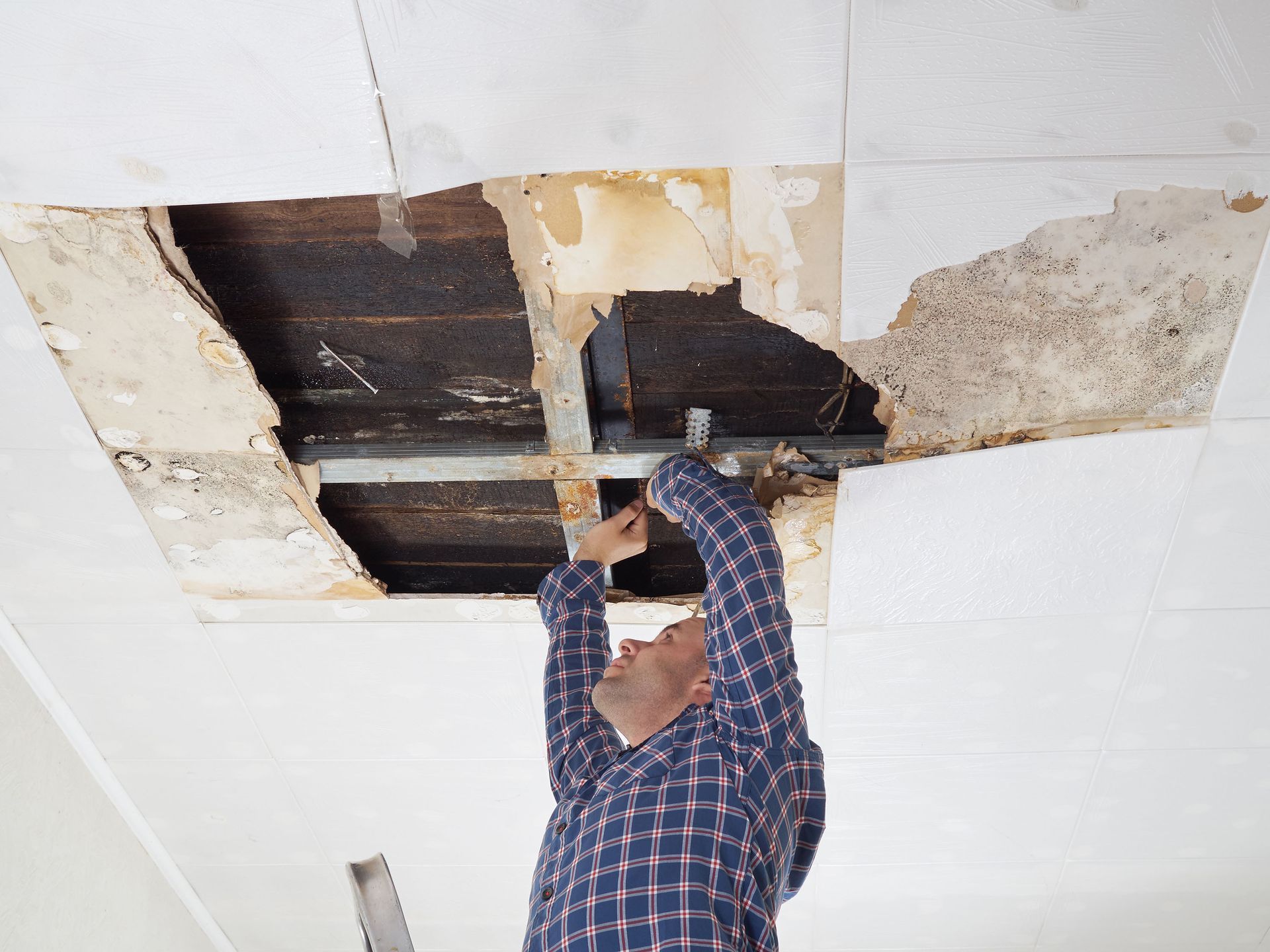
In cases involving structural damage, repairs such as reinstalling drywall, replacing insulation, or restoring flooring may extend the total project timeline. While this adds time, it is essential for full recovery; removing mold without repairing water damage invites the problem right back.
It's also worth noting that drying and dehumidification are the most variable stages. Even slight moisture within wall cavities can prolong timelines, and professionals will not close up walls until moisture readings confirm the area is fully dry. This meticulous approach is what makes professional remediation more effective than quick DIY fixes.
Preventing Mold From Returning After Remediation
After completing mold remediation, homeowners naturally want to ensure mold doesn't return. Fortunately, preventing regrowth is manageable with consistent maintenance and moisture control.
Key prevention strategies include:
- Fix plumbing or roof leaks immediately
- Use exhaust fans in kitchens, bathrooms, and laundry rooms
- Maintain indoor humidity between 30% and 50%
- Install or maintain dehumidifiers in damp areas
- Improve ventilation in attics, crawlspaces, and basements
- Insulate cold surfaces to prevent condensation
- Direct landscaping, downspouts, and grading away from the foundation
- Replace old caulking around tubs, windows, and sinks
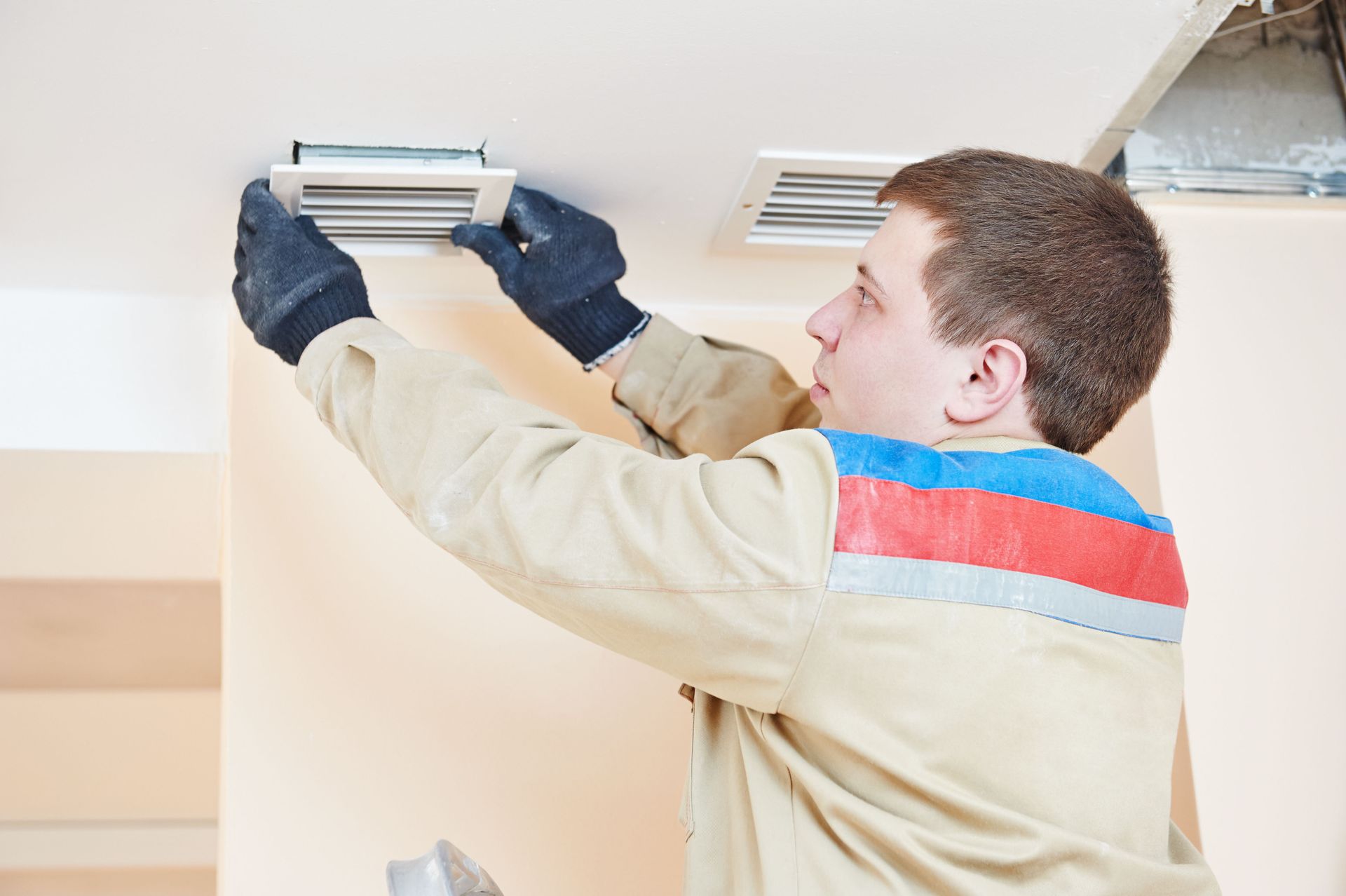
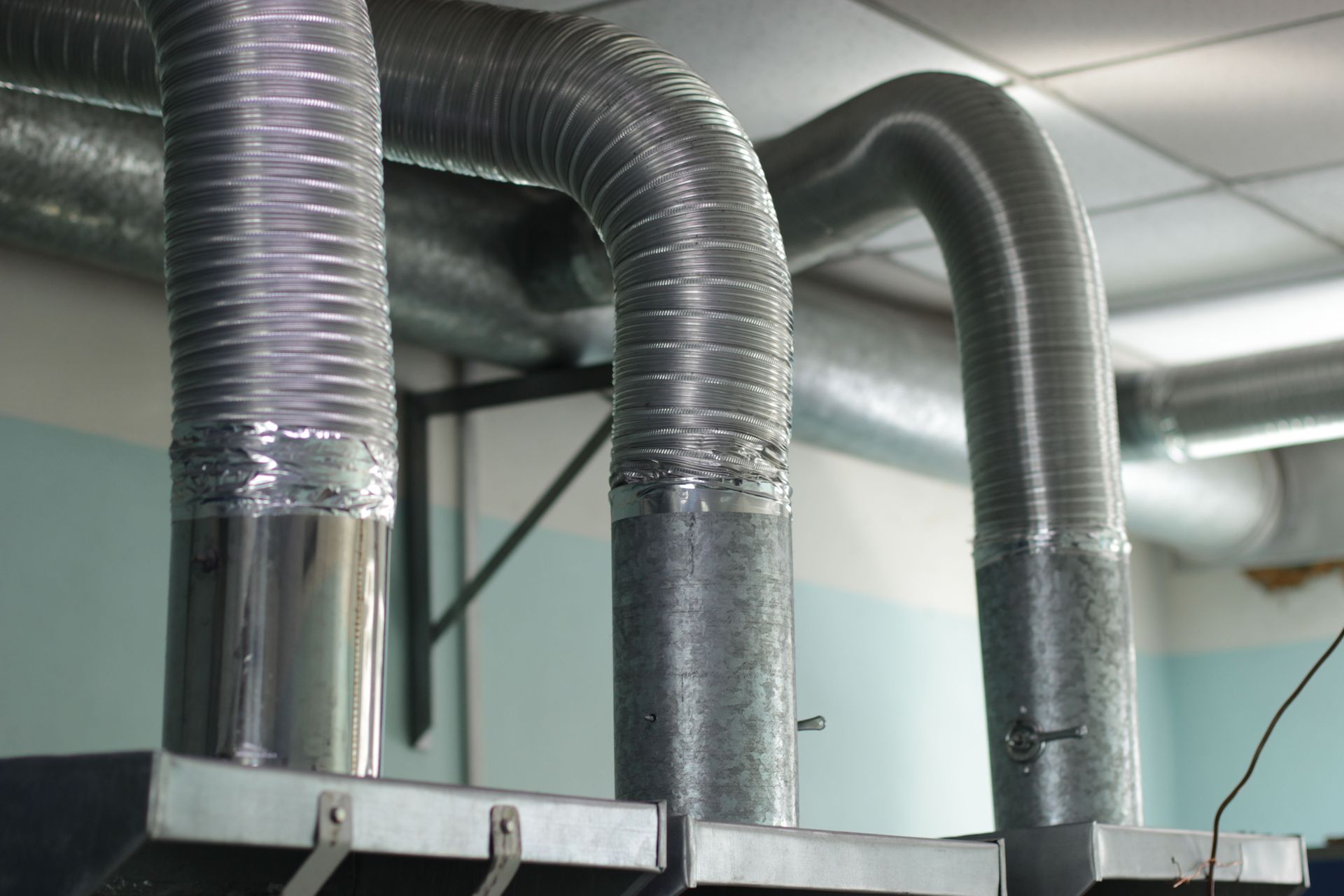
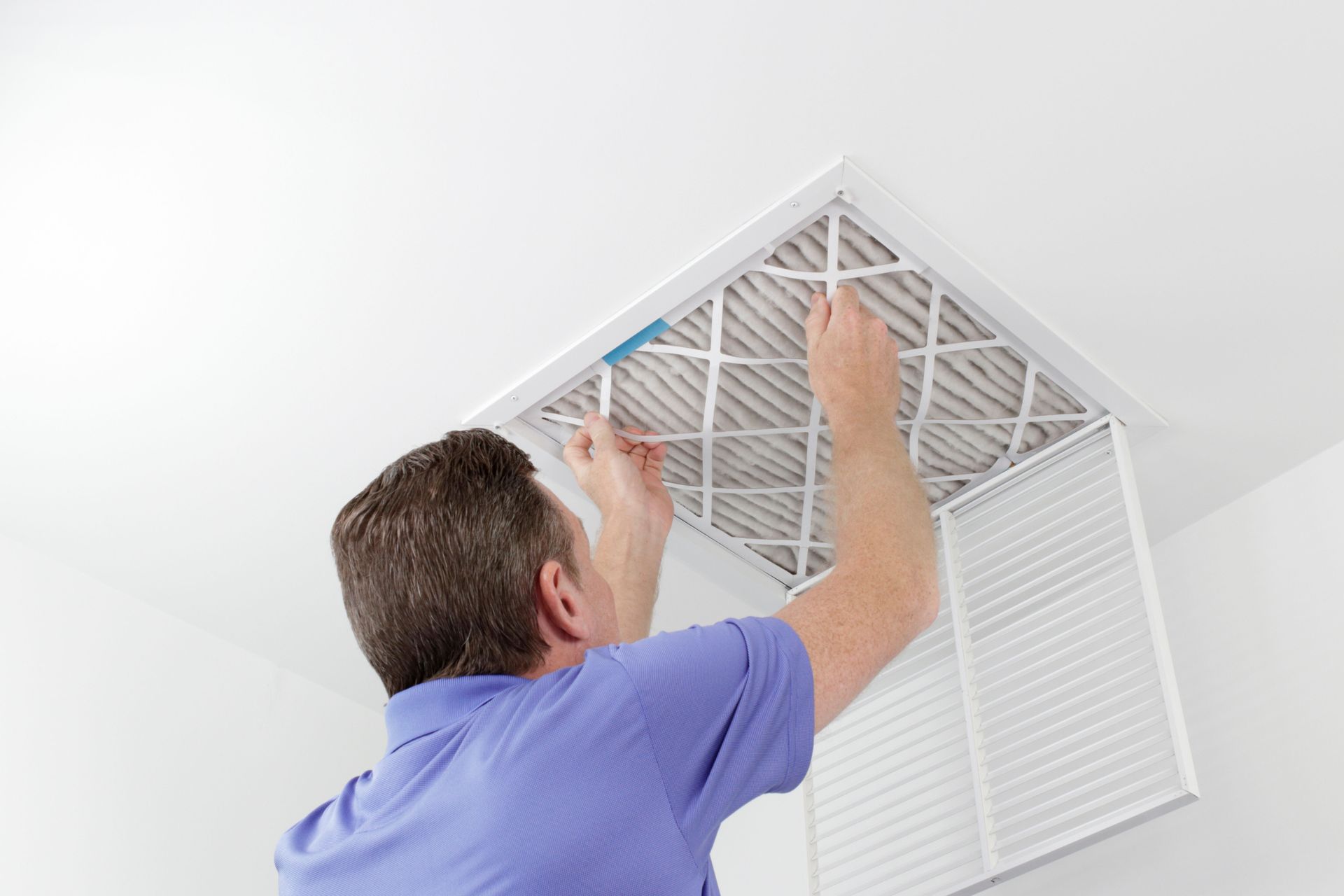
HVAC maintenance is another crucial step. A clean, properly functioning HVAC system helps balance indoor humidity and prevents stagnant air pockets, which often become mold breeding grounds.
Many professional companies also offer post-remediation inspections, moisture monitoring, or annual evaluations to ensure your environment remains mold-free. Following these recommendations significantly reduces the likelihood of needing future remediation.
Mold can be an overwhelming issue, but understanding the mold remediation process makes it far more manageable. With the right knowledge, property owners can identify early warning signs, address moisture problems quickly, and know when to call in professionals.
Remediation isn't just about cleaning mold — it's about restoring healthy air quality, preventing structural deterioration, and stopping the problem at its source. With the right steps and expert guidance, you can protect your home or business and maintain a safe, clean environment long-term. Contact The Best Air Quality & Restoration today for expert service, dependable solutions, and healthier indoor air you can trust.
Share On: