February 3, 2026
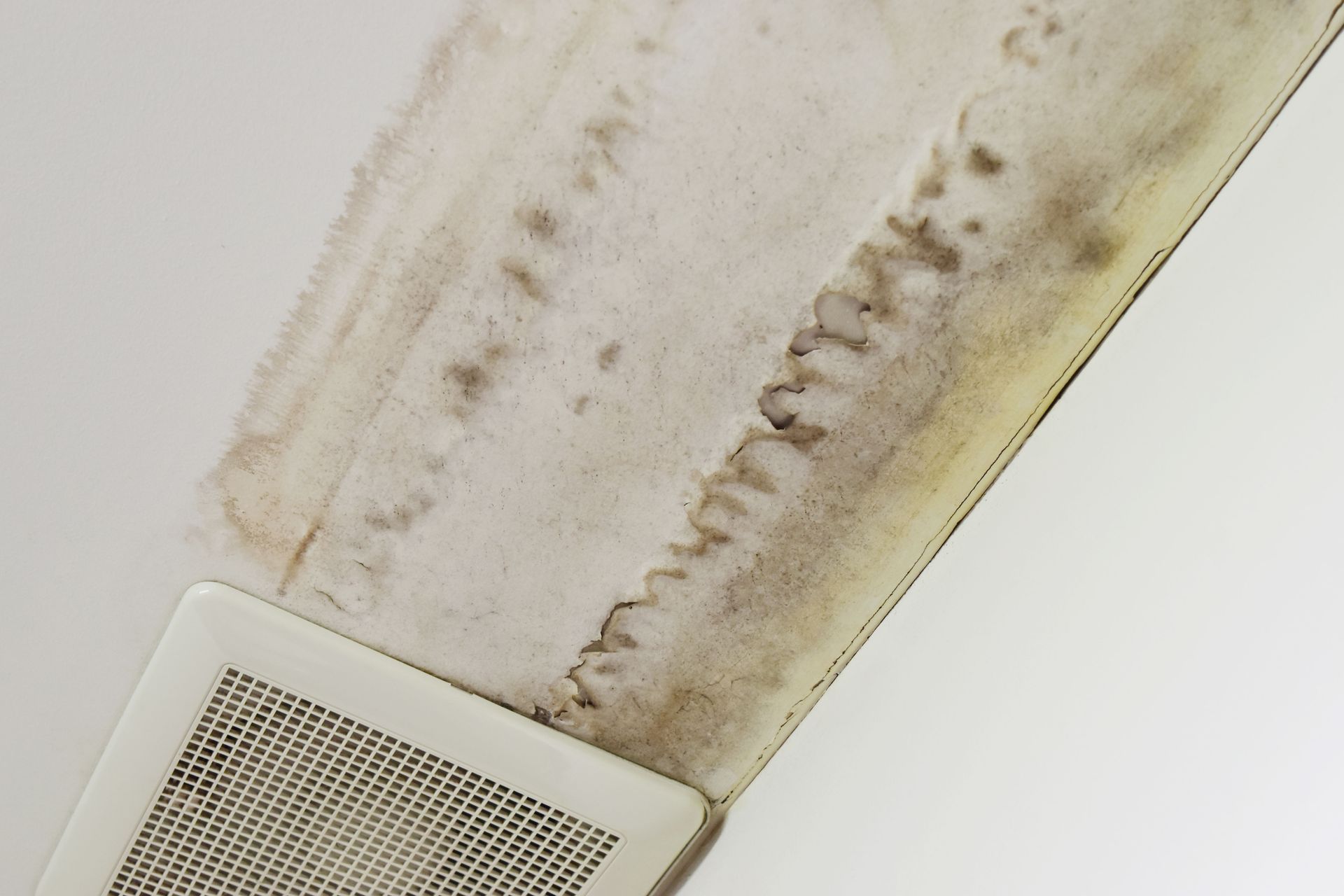
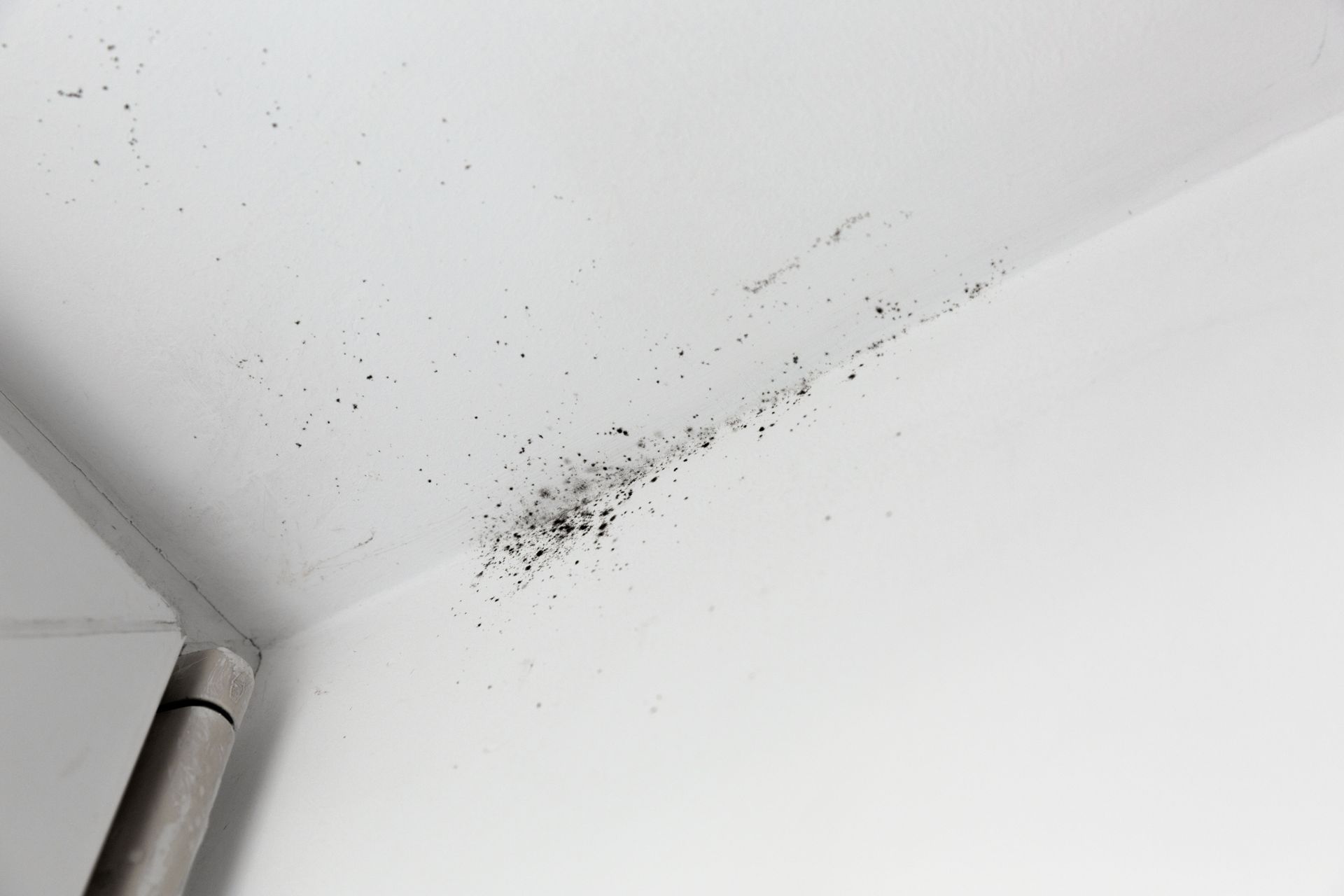
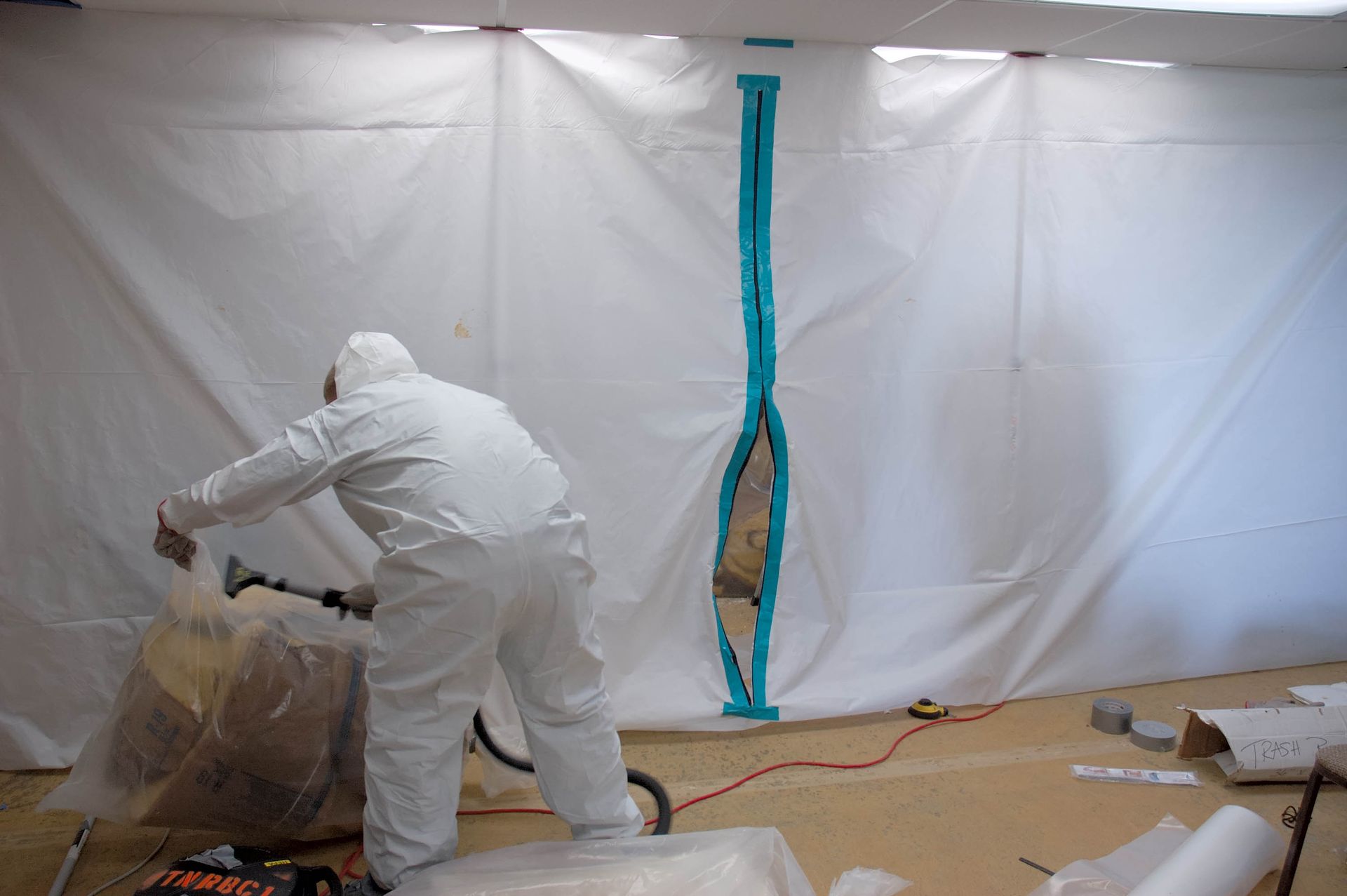
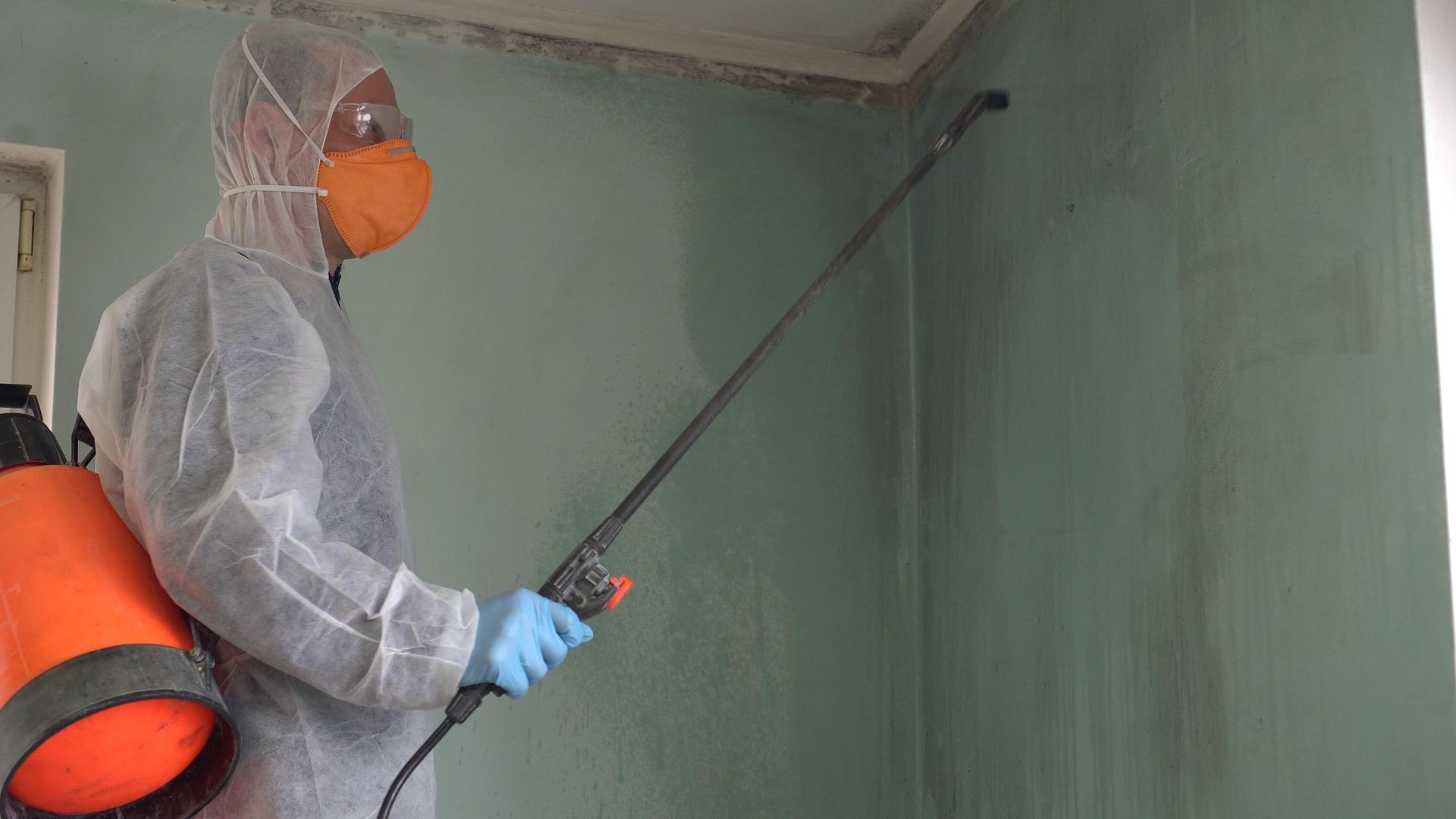
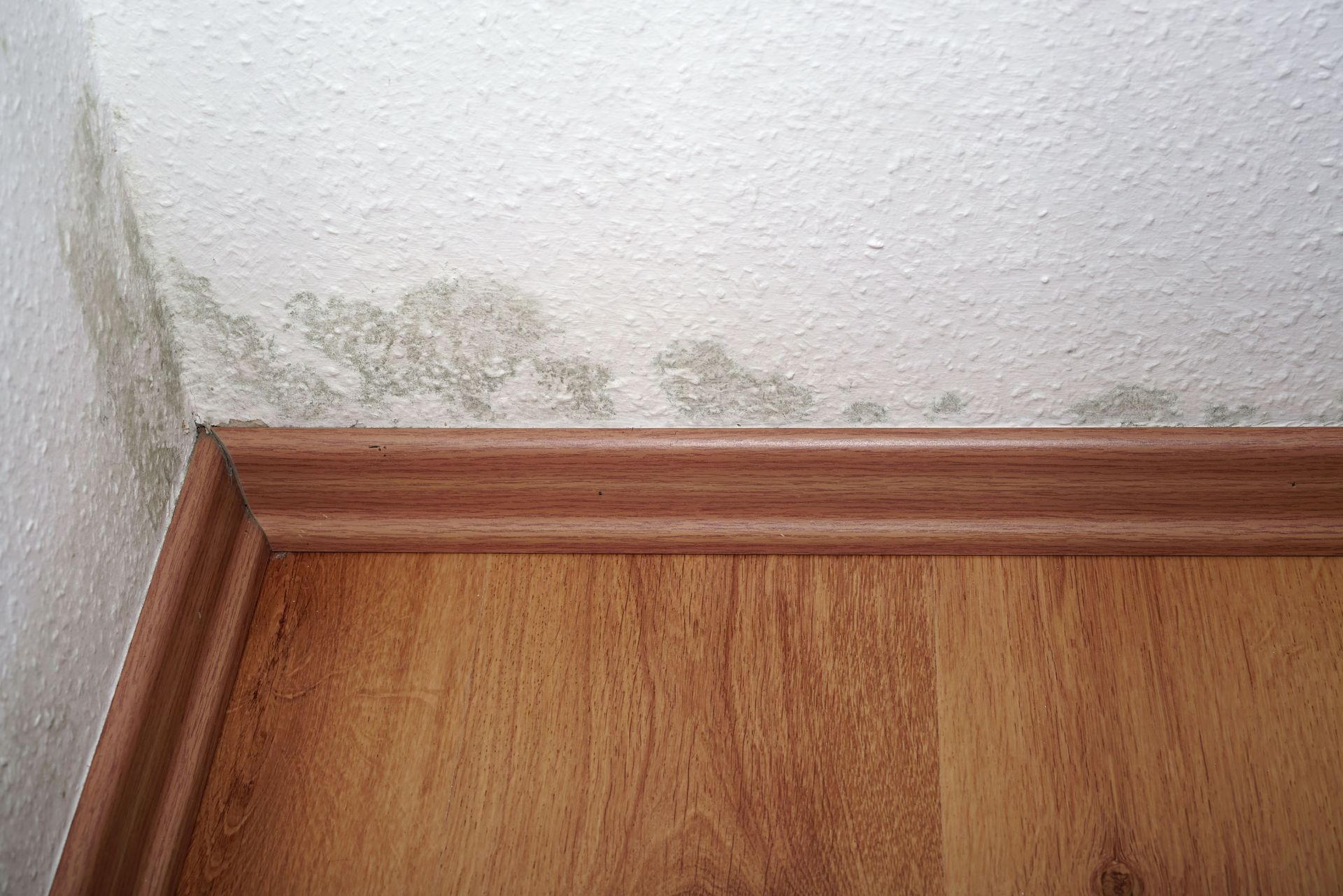
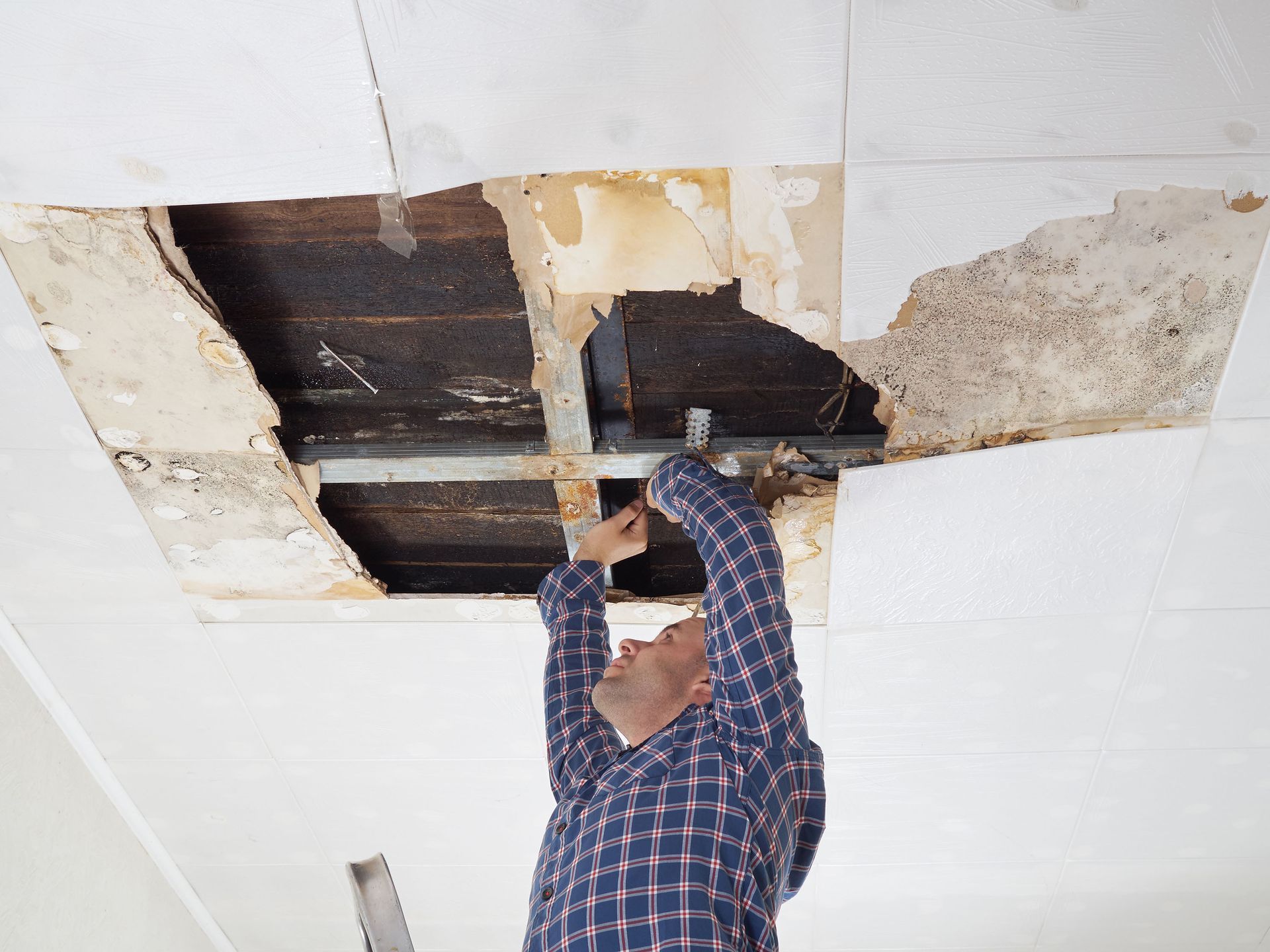
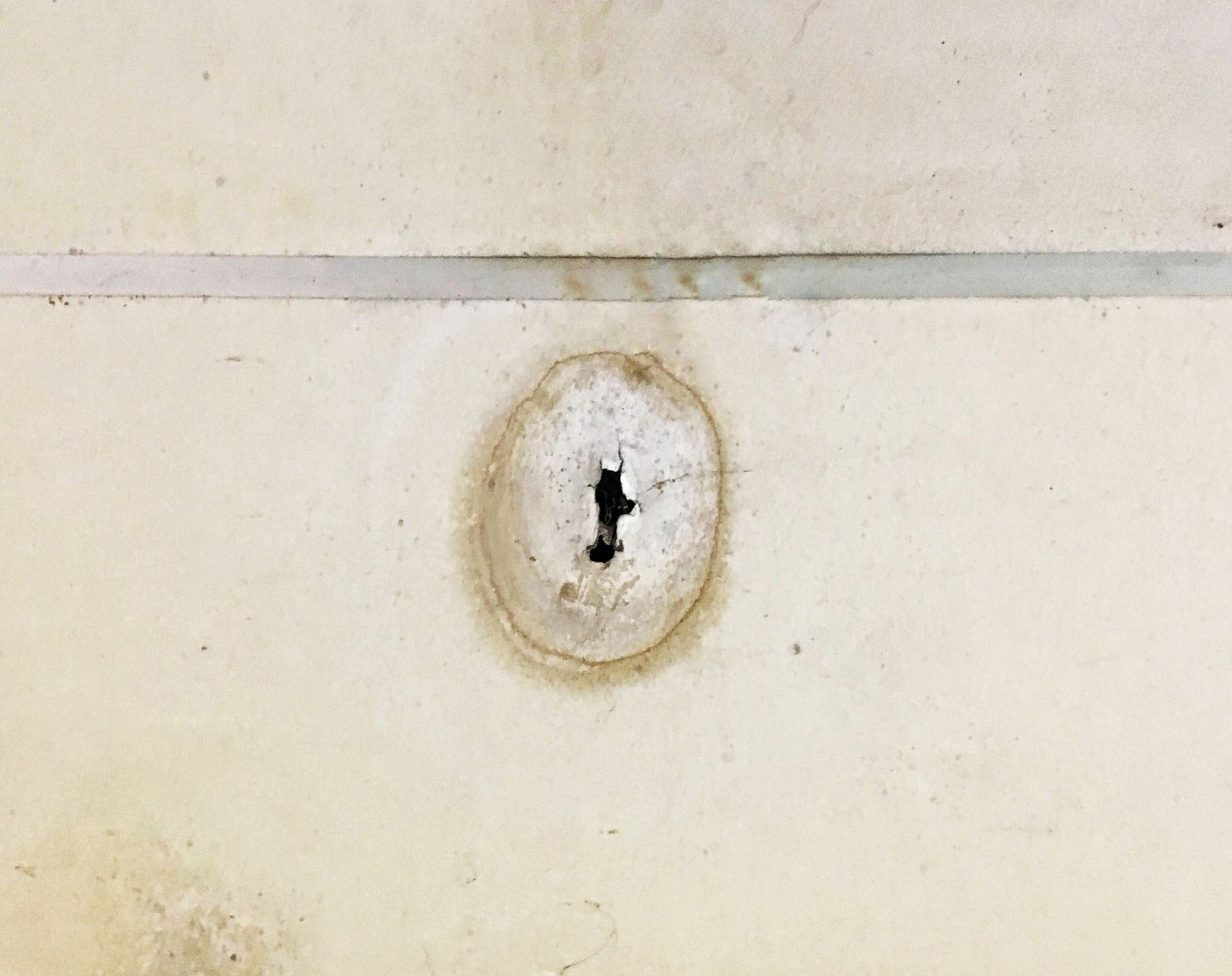
Maintaining a healthy home environment goes far beyond simple cleaning routines. One of the most overlooked threats to indoor air quality is mold. Mold not only damages the structural integrity of your home but can also pose serious health risks to your family. According to Mainspring Recovery, over 45 million structures across the U.S. contain mold levels that are considered unsafe. This staggering number highlights the importance of proactive mold removal to protect both your property and your health. Mold thrives in damp, humid, or poorly ventilated areas. Left untreated, it can spread rapidly, causing unpleasant odors, discoloration, and, in some cases, allergic reactions or respiratory issues. Early detection, consistent monitoring, and immediate action are key steps that homeowners should implement to prevent mold from becoming a serious, long-term problem. Understanding safe and effective mold removal techniques is essential for any homeowner. Recognizing the Signs of Mold Growth The first step in effective mold removal is identification. Mold can be found in places you might not expect, including basements, attics, bathrooms, and even behind walls or under flooring. Common signs of mold growth include musty odors, visible discoloration on walls or ceilings, and the presence of water damage or condensation. It's crucial to understand that not all mold is immediately visible. Some species, such as black mold, can grow in hidden areas and release spores that affect indoor air quality. Homeowners should pay close attention to persistent damp spots, peeling paint, or warped surfaces. Early recognition allows for timely mold removal, preventing extensive damage and long-term health concerns. Understanding the Health Risks Mold exposure can have serious health implications, particularly for children, the elderly, or individuals with preexisting respiratory conditions. Common symptoms include coughing, sneezing, nasal congestion, skin irritation, and eye discomfort. In severe cases, prolonged exposure can lead to chronic respiratory issues, infections, or exacerbation of asthma. By addressing mold issues promptly, homeowners can protect their families from these potential health risks. Professional mold removal ensures that the contaminated areas are treated thoroughly and that spores are contained during the process, reducing the likelihood of recurring problems. Understanding the health impact reinforces why mold removal isn't just a cosmetic concern but a critical aspect of maintaining a safe living environment. Assessing the Extent of Damage Before beginning mold removal, it's essential to evaluate the severity of the infestation. Small patches may be handled by experienced homeowners using appropriate safety precautions and cleaning products. However, extensive mold growth often requires professional intervention to prevent spores from spreading and causing further contamination. Professionals typically conduct a detailed inspection to identify hidden moisture sources, assess the type of mold present, and determine the areas affected. This assessment allows for a tailored mold removal plan that addresses the root cause rather than simply treating surface symptoms. By investing time in a thorough evaluation, homeowners can ensure their mold removal efforts are both safe and effective. Implementing Safe Techniques Mold removal involves more than scrubbing surfaces. It requires proper containment, protective equipment, and cleaning agents that eliminate mold without releasing spores into the air. Professionals follow industry standards to contain affected areas, preventing cross-contamination and minimizing exposure to household members. Attention to detail and thorough inspection are essential to ensure long-term safety and prevent mold from spreading further. For small, localized mold problems, cleaning with specialized antifungal solutions and thoroughly drying the area may be sufficient. However, for larger infestations, professionals may need to remove drywall, insulation, or carpeting. Proper mold removal ensures that spores are completely eradicated and that the conditions that allowed mold to grow are corrected, such as humidity control or leak repair. Preventing Recurrence Mold removal is only part of the solution; preventing future growth is equally important. Mold thrives in damp environments, so controlling moisture levels is critical. Homeowners should regularly check for leaks, improve ventilation in bathrooms and kitchens, and use dehumidifiers in areas prone to humidity. Using moisture-resistant materials and promptly addressing water damage further strengthens prevention efforts and reduces long-term risks. Routine maintenance, including cleaning gutters, ensuring proper drainage around the foundation, and inspecting roofing or plumbing systems, helps reduce the likelihood of mold returning. A comprehensive prevention strategy not only protects the structural integrity of your home but also maintains a healthier indoor environment for your family. Choosing Professional Services While some minor mold issues can be managed independently, large infestations or persistent mold problems require professional mold removal. Experienced technicians bring specialized equipment and knowledge to identify, contain, and eliminate mold safely and efficiently. A local restoration company like The Best Air Quality and Restoration can assess your property, develop a tailored mold removal plan, and ensure that affected areas are treated thoroughly. Their expertise guarantees that mold spores are removed, contaminated materials are safely disposed of, and preventive measures are implemented to avoid future issues. Professional services provide peace of mind and a long-term solution to a potentially serious problem. Enhancing Indoor Air Quality Mold removal isn't complete without addressing indoor air quality. Even after mold is physically removed, spores can linger in the air. Air purification systems, HEPA filters, and regular cleaning can significantly improve air quality, reducing the risk of future mold growth and protecting the respiratory health of your family. Additionally, monitoring humidity levels and ensuring proper ventilation are crucial steps in maintaining a mold-free home. By combining effective mold removal with ongoing indoor air quality management, homeowners create a safe and comfortable living environment that promotes overall wellness. Understanding the Financial Benefits Investing in professional mold removal may seem costly upfront, but it prevents more significant expenses in the long run. Mold can compromise structural materials, lead to extensive water damage, and reduce property value. Homeowners who address mold promptly protect their investment and avoid costly repairs in the future. Moreover, properties with documented mold remediation often have higher resale value and appeal to buyers concerned about indoor air quality. By treating mold issues proactively, homeowners secure both their health and financial stability. Integrating Routine Home Maintenance Mold removal should be considered a standard component of home maintenance. Regular inspections, timely repairs, and professional cleanings help maintain a safe and healthy living environment. By integrating mold prevention and removal into routine practices, homeowners can avoid emergencies, protect their families, and extend the lifespan of their property. Routine maintenance may include inspecting areas prone to moisture, using moisture barriers in basements or crawlspaces, and monitoring air quality with professional tools. Consistency in these practices ensures that mold doesn't gain a foothold and that indoor spaces remain safe for daily living. Mold is a pervasive issue in homes across the United States, affecting millions of buildings and countless families. Recognizing its presence, understanding the health risks, and implementing safe mold removal techniques are essential steps in protecting both your home and your loved ones. Professional mold removal services not only eradicate existing mold but also help prevent recurrence and improve indoor air quality. By partnering with experts, homeowners gain peace of mind knowing their property is safe, structurally sound, properly maintained, fully protected against future moisture problems, and conducive to a healthy lifestyle. If you're dealing with mold in your home or want to proactively protect your property, contact The Best Air Quality & Restoration for professional mold removal services today and ensure a healthier environment for you and your family.

Share On: